Why Everyone Is Asking What Slang Means in Text Messages Right Now
 By Elena Rostova
The acronym "ONG" is simple: it stands for "on god." The phrase originated in African American Vernacular English (AAVE), serving as an everyday pledge of honesty equivalent to "I swear" or "cross my heart." It carries weight. It closes arguments. When someone drops "ong" into a thread, they are confirming that whatever preceded it is undeniable reality.
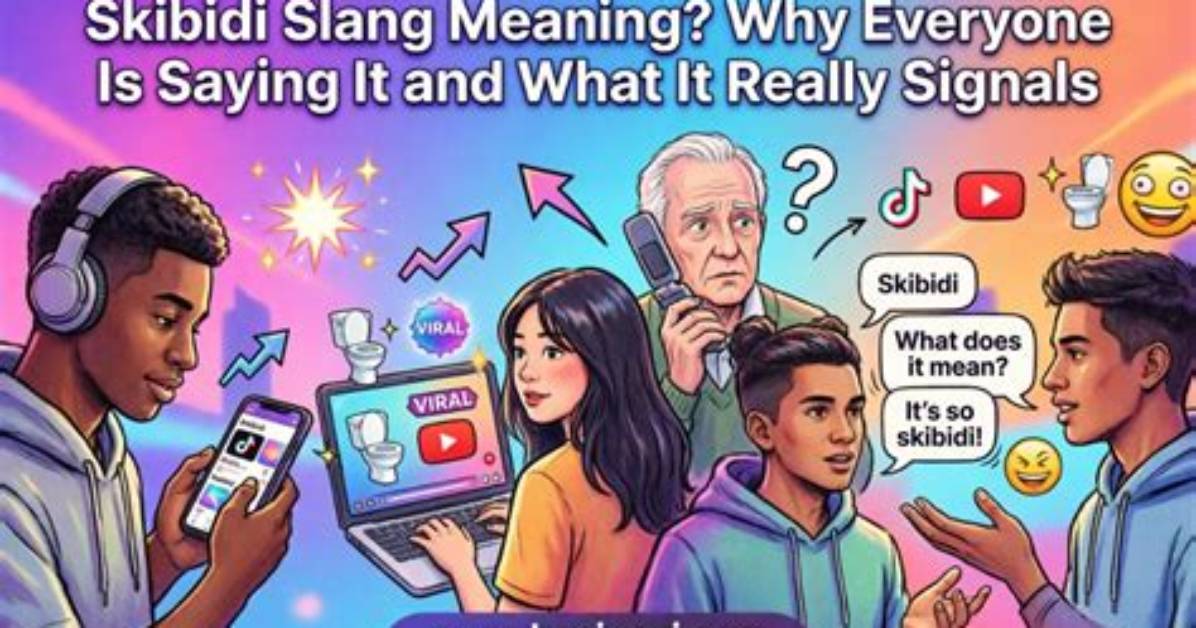
The speed at which the acronym migrated into general texting slang dictionaries highlights how modern messaging decoded daily speech. Ten years ago, adopting subcultural slang required geographic proximity or immersion in niche internet forums. Short-form video engines altered that distribution model entirely. A teenager in Atlanta drops the phrase in a video voiceover; three days later, users in London and Sydney paste "ong" into TikTok comments to signal agreement. By the following week, the term sits inside peer-to-peer SMS exchanges between middle schoolers and confuses parents checking family threads.
This compression alters how mobile shorthand works. Traditional acronyms like "BRB" (be right back) or "TTYL" (talk to you later) solved mechanical problems: physical phone keypads were tedious, and carriers charged per 160-character block. Contemporary social media comment lingo does not exist to save thumb energy. It communicates emotional tone, shared cultural literacy, and collective belonging.
Elena Rostova holds a Master's degree in Public Health Journalism. She covers groundbreaking medical research, holistic wellness trends, mental health awareness, and nutritional science.
