Who Is Lil Tay Now? Everything You Need to Know About Her Return and Records
 By David Miller
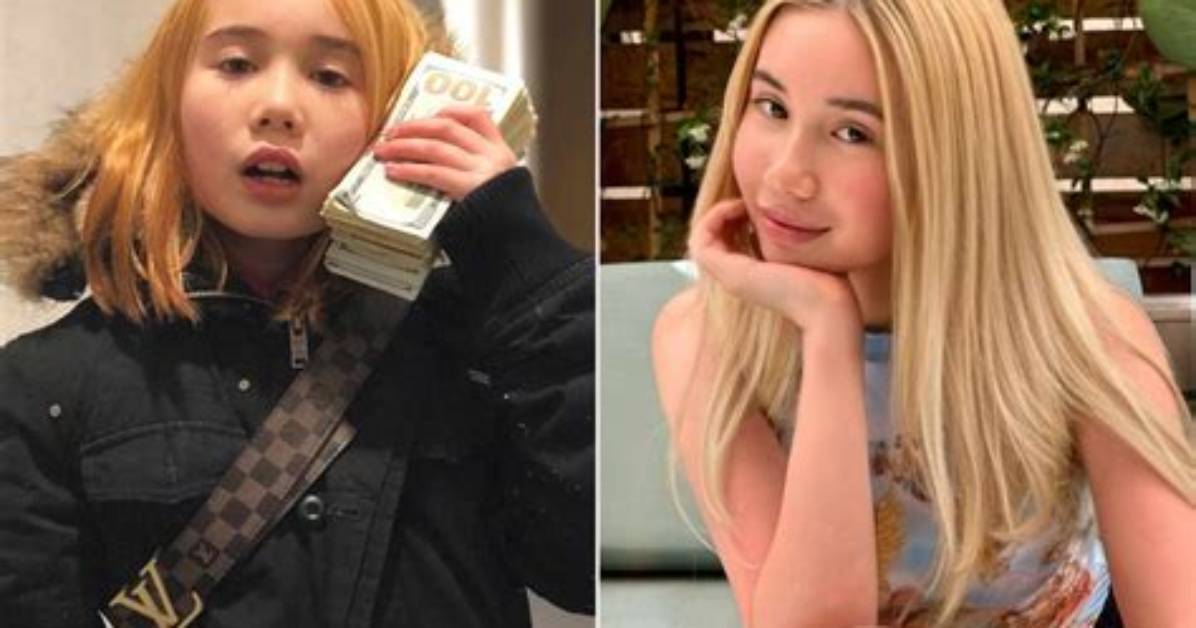
The moral panic surrounding Hope's new venture cannot be separated from her origin story. In 2018, critics raised loud alarms that an elementary schooler was being pushed into abusive internet environments for parental profit. Watching that exact individual turn to adult entertainment platforms on her 18th birthday struck many cultural observers as a depressing inevitability.
On social platforms like X and TikTok, discourse fractured along familiar fault lines. One camp argued that Hope was simply reclaiming her agency, taking full legal ownership of the notoriety that others once exploited. The opposing camp saw a systemic failure of digital culture, arguing that childhood virality irreparably warps a young person's relationship with privacy, attention, and work.
Industry insiders see a structural inevitability. Algorithms reward shock value, and the creator economy offers few off-ramps for people famous purely for being outrageous. Moving into adult-adjacent media has become a standard business strategy for former child influencers seeking to sustain seven-figure lifestyles once novelty fades.
David Miller brings 15 years of experience in global economics, personal finance strategy, and market dynamics. He specializes in turning complex economic trends into actionable insights for everyday readers.
