Who Actually Owns 'Italian Brainrot'? the Tangled Ai Copyright and Trademark Truth
 By Sarah Jenkins
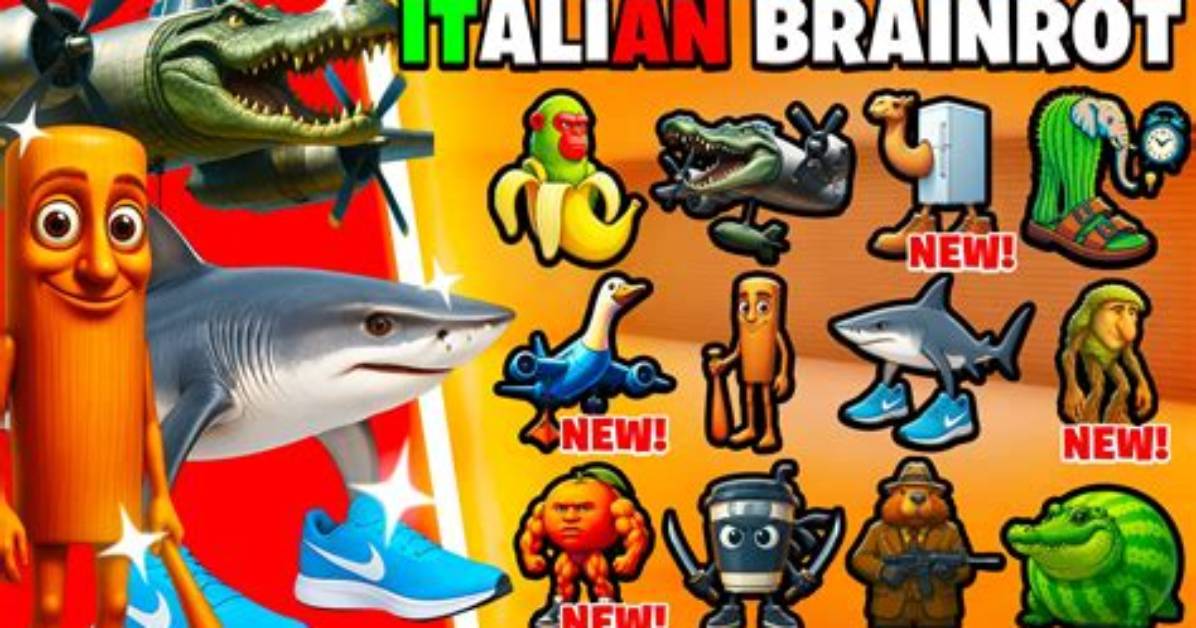
The strategy of using trademark applications to secure synthetic media works by shifting the legal battle from the creative origin to retail presence. Consider an enterprise that puts a public-domain AI character on a branded hooded sweatshirt, files an intent-to-use trademark application for the character's community-invented name, and begins shipping units. If another creator attempts to sell prints of that same character using the established name, they face immediate trademark infringement claims, regardless of who created the original video prompt.
This dynamic creates acute vulnerability for independent artists who fuel viral trends without immediate commercial infrastructure. While individual creators focus on digital engagement and storytelling, corporate entities register intellectual property defensively. When disputes hit courtrooms, digital platforms default to automated enforcement mechanisms, stripping view-based ad revenues from genuine culture-makers and directing it toward corporate administrative filers.
The practical result is a fragmented media environment. The pure video clips remain free for algorithmic remixing, but commercialization rights, the ability to sign toy deals, run branded apparel campaigns, or license original soundtracks, are increasingly hoarded by opportunistic holding companies. Intellectual property rights are being repurposed not to reward creative production, but to capture algorithmic distribution.
Sarah Jenkins is a veteran tech journalist with over 12 years of experience covering artificial intelligence, mobile innovations, and digital ethics. Her insights have appeared in leading technology publications worldwide.
