What Language Is Spoken in New Zealand? Official Documents, Maps, and Laws Explained
 By Elena Rostova
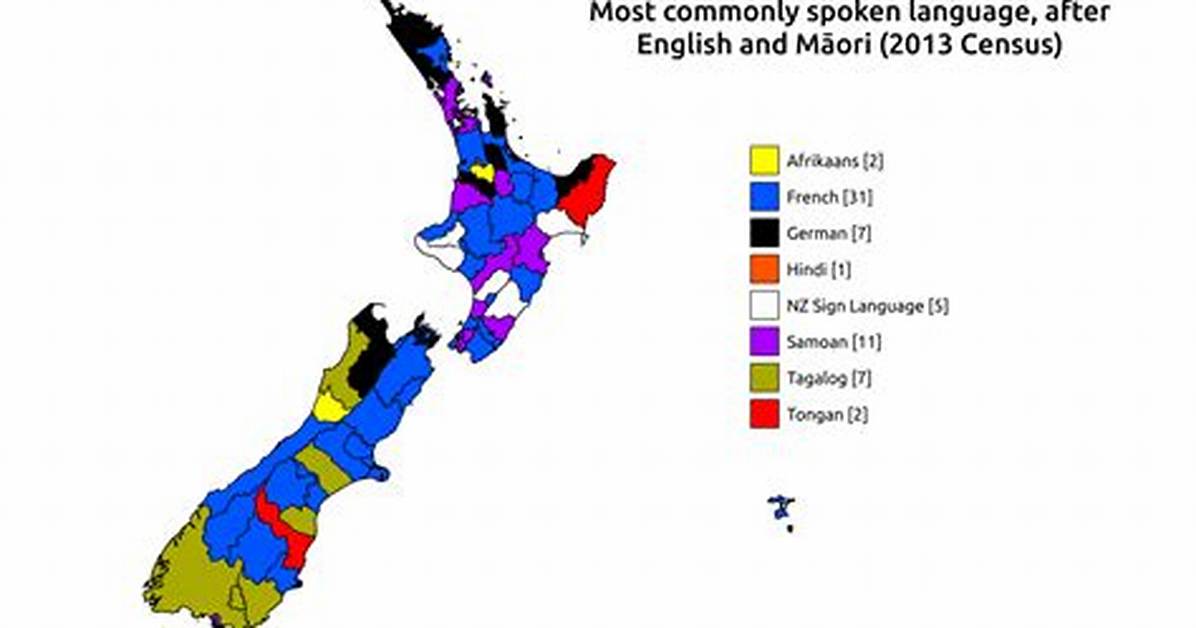
The codification of Te Reo Māori was born out of protest, not administrative routine. Decades of institutional suppression brought the language dangerously close to extinction by the mid-1970s. The 1972 Māori Language Petition, bearing more than 30,000 signatures, arrived on the steps of Parliament demanding active state intervention. It sparked grassroots revitalization, including the rapid rise of kōhanga reo (language immersion preschools).
The institutional breakthrough came with the Māori Language Act 1987. The legislation declared Te Reo an official language of New Zealand and established the Māori Language Commission (Te Taura Whiri i te Reo Māori) to champion its preservation. Crucially, the 1987 Act granted the statutory right to speak Te Reo in legal proceedings, including courts and statutory tribunals, requiring the justice system to provide certified interpreters regardless of a speaker's fluency in English.
Nineteen years later, lawmakers expanded the statutory boundary again. The NZSL Act 2006 made New Zealand Sign Language the country's second official language. NZSL is not simply English rendered through gestures; it possesses its own distinct syntax, grammar, and regional dialects, created naturally by the country's Deaf community over generations. The 2006 Act mandated that government agencies ensure public services and information remain accessible to Deaf citizens, cementing non-spoken communication into the constitutional fabric of the country.
Elena Rostova holds a Master's degree in Public Health Journalism. She covers groundbreaking medical research, holistic wellness trends, mental health awareness, and nutritional science.
