What Does Proxy Mean? the Definitive Guide to Tech, Slang, Business, and Everyday Use
 By Marcus Vance
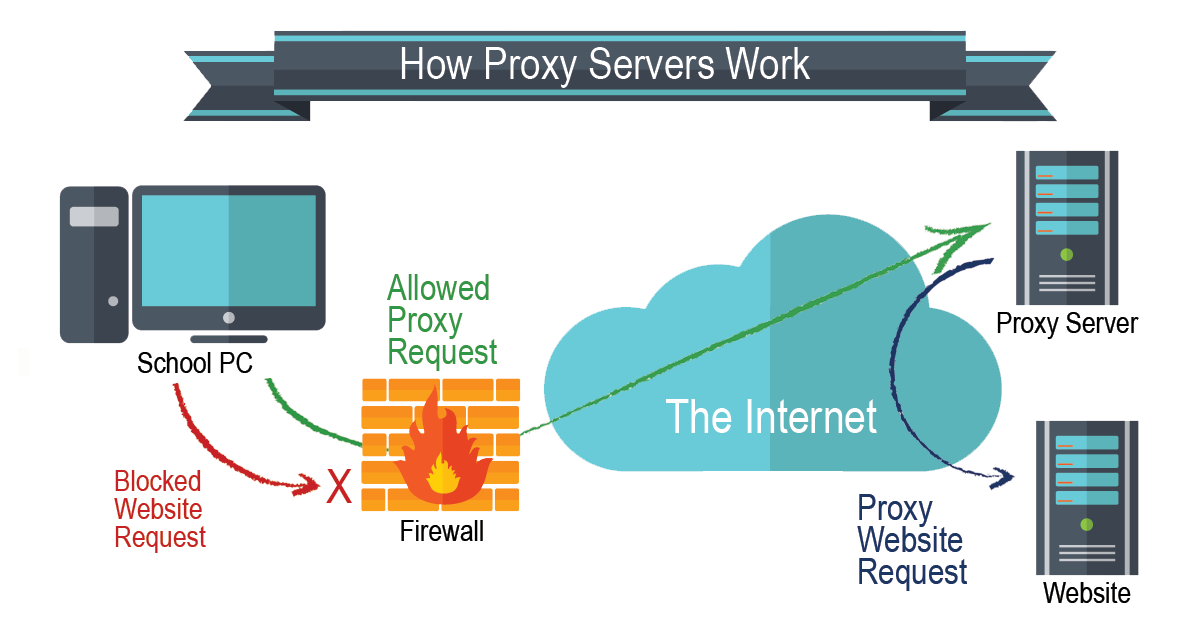
At its baseline, a proxy server definition describes an intermediary computer system that sits between a client application, such as a browser on your laptop, and the destination web host. When you send a request without a proxy, your machine connects directly to the target website, exposing your public IP address, approximate geographical location, and device metadata to the recipient server.
Routing that request through an intermediary server changes the communication path. Your computer sends the connection request to the proxy. The proxy reads the packet, strips or alters identifying headers, requests the data from the destination server using its own IP address, and relays the response back to your screen. This basic mechanism underpins two foundational architectures:
- Forward Proxies: Positioned in front of clients, forward proxies act as gatekeepers for outbound traffic. Schools and enterprise offices deploy forward proxies to enforce content security policies, block malicious domains, cache frequently accessed static resources, and enforce IP address masking for user privacy.
- Reverse Proxies: Positioned in front of web servers, reverse proxies protect the infrastructure behind them. Services like Nginx, HAProxy, and Cloudflare intercept inbound web traffic to distribute loads across server clusters, terminate SSL/TLS encryption, and prevent direct distributed denial-of-service (DDoS) attacks against origin databases.
Because the intermediary handles data routing at the application layer, frequently running over HTTP, HTTPS, or SOCKS5 protocols, it inspects traffic with high granularity. A company proxy can block specific URLs on social media platforms without cutting off access to the rest of the web. That targeted control makes proxies the workhorse of enterprise network gateway security, balancing internal auditing with perimeter defense.
Marcus Vance is a cybersecurity auditor and technology writer dedicated to educating the public about online safety, data privacy regulations, enterprise security, and emerging cyber threats.
