What Does Mount Rushmore Really Look Like from Behind? Debunking the Viral Internet Myth
 By James H. Sterling
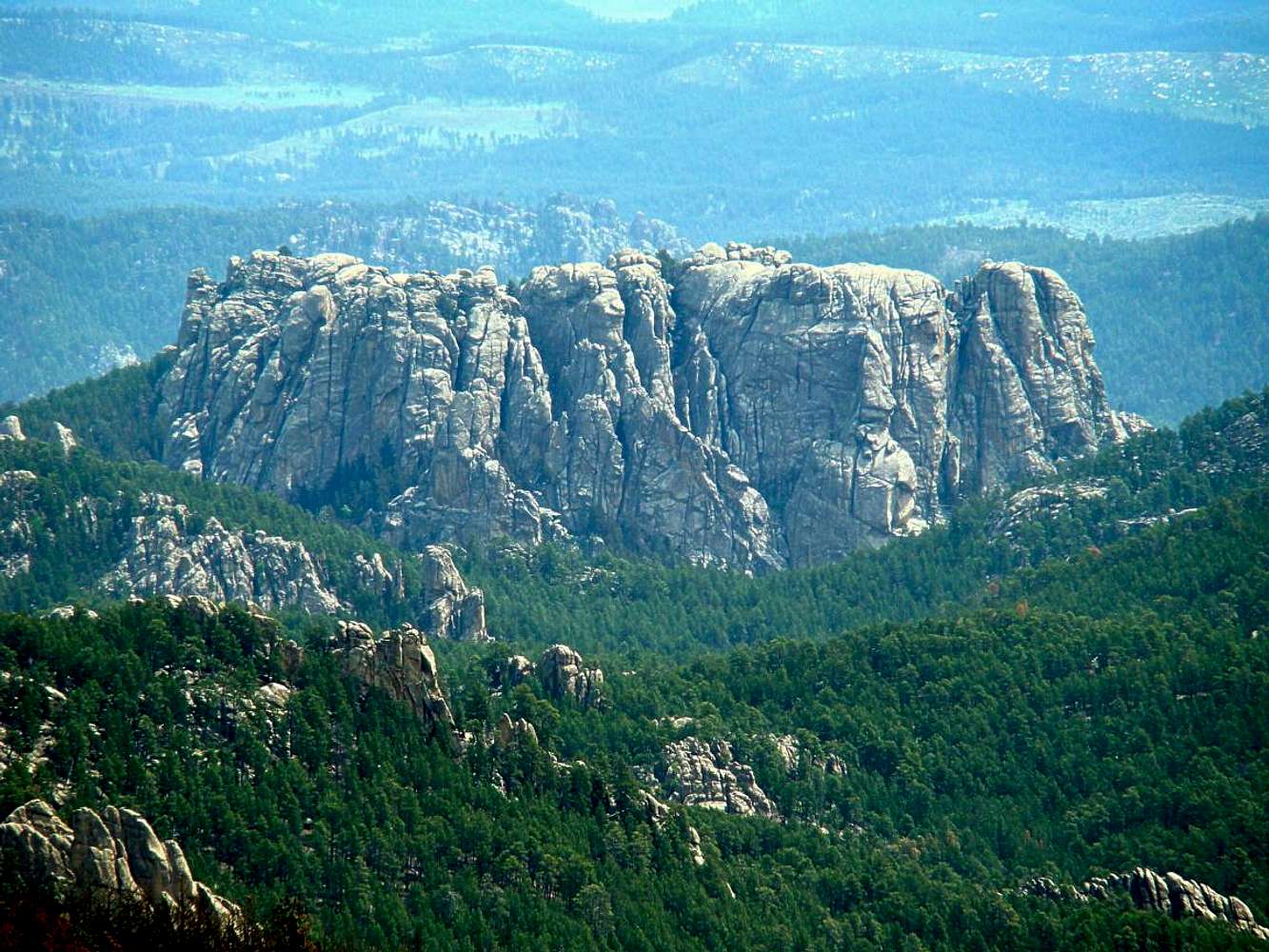
While there are no stone bodies behind the presidents, the rear rock does conceal an extraordinary piece of unfinished mountain carving: the Hall of Records.
Borglum envisioned Mount Rushmore not merely as art, but as a civilization vault meant to survive thousands of years. In July 1938, crews blasted an 18-foot by 75-foot canyon room deep into the solid stone wall situated directly behind Abraham Lincoln’s right shoulder. Borglum planned a massive bronze doorway, an 800-foot granite stairway ascending from the valley floor, and chandeliers hanging inside a chamber detailing America’s founding documents.
Congress cut funding for the chamber in 1939, ordering Borglum to focus exclusively on completing the faces before money ran dry. Borglum died in March 1941, and work ceased entirely that October under his son Lincoln Borglum due to looming American involvement in World War II.
The secret chamber behind Lincoln remained an empty, blasted cave until 1998. That year, memorial officials placed sixteen porcelain enamel panels inscribed with the Declaration of Independence, the Constitution, and biographies of the presidents inside a teakwood box. They sealed the box beneath a 1,200-pound granite capstone on the chamber floor. The chamber has no public access point; it sits isolated behind Lincoln's hairline, invisible from all standard visitor paths.
James Sterling reports on renewable energy developments, climate policy, ecological conservation, and green tech innovations around the globe.
