What Does 'Gooning' Really Mean? Behind the Viral Slang Dominating Headlines
 By Alexander Ross
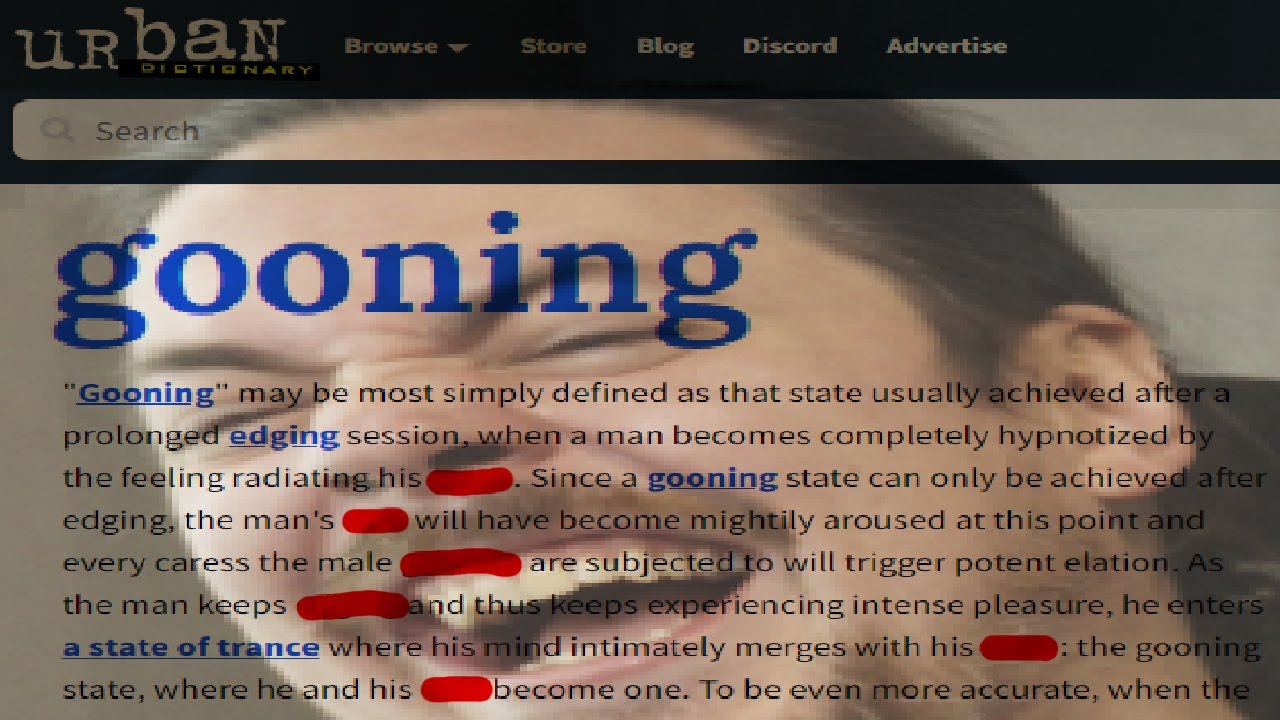
Younger internet users rarely discover slang through its original context. Instead, algorithmic aggregation on TikTok and YouTube Shorts introduces words purely as phonetic novelties. Stripped of its explicit origins, the word joined the pantheon of brainrot terms, a vernacular genre defined by rapid-fire irony, intentional absurdity, and linguistic detachment.
For teenagers between 12 and 17 years old, "gooning" quickly became synonymous with simply staring blankly at a smartphone or getting lost in a gaming session. Someone studying for eight hours straight might ironically claim they are "gooning over chemistry notes." A gamer locked into an intense round of *Fortnite* might be accused of "goon-moding."
This linguistic laundering creates an acute generational divide. While older adults and content moderators recognize the phrase as explicit sexual slang, younger speakers treat it as interchangeable with "spacing out." The dissonance causes frequent friction: a middle school student repeating an internet catchphrase in a classroom can face severe disciplinary action for using sexually explicit language they do not fully understand.
Alexander Ross has covered the video game industry for a decade, writing deep dives on game design, esports tournaments, VR developments, and gaming culture.
