What Color Does Yellow and Blue Actually Make? Visual Guide to Pigments, Dyes, and Screens
 By James H. Sterling
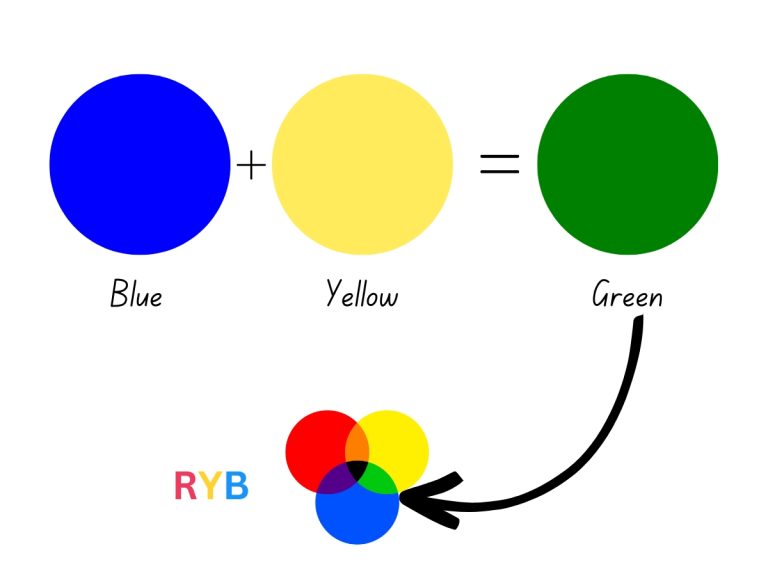
Art studios and classrooms have taught the traditional red-yellow-blue (RYB) color wheel since the eighteenth century. In this traditional framework, yellow and blue act as primary colors. Mix them on a palette, and green emerges as a secondary color. Watercolorists, oil painters, and craft hobbyists witness this reaction every day.
The visual vibrancy of that green fluctuates wildly based on the chemical makeup of the paint tubes. Mix an ultramarine blue containing red undertones with a warm, reddish yellow-ochre, and the resulting mixture looks like dull olive or murky army green. Swap those out for a cool lemon yellow and a crisp phthalocyanine blue, and the mixture yields an intensely vivid emerald. Pigment chemistry dictates the exact hue long before the brush touches canvas.
James Sterling reports on renewable energy developments, climate policy, ecological conservation, and green tech innovations around the globe.
