What Casus Belli Actually Means: International Law, the Un Charter, and Modern Warfare
 By Elena Rostova
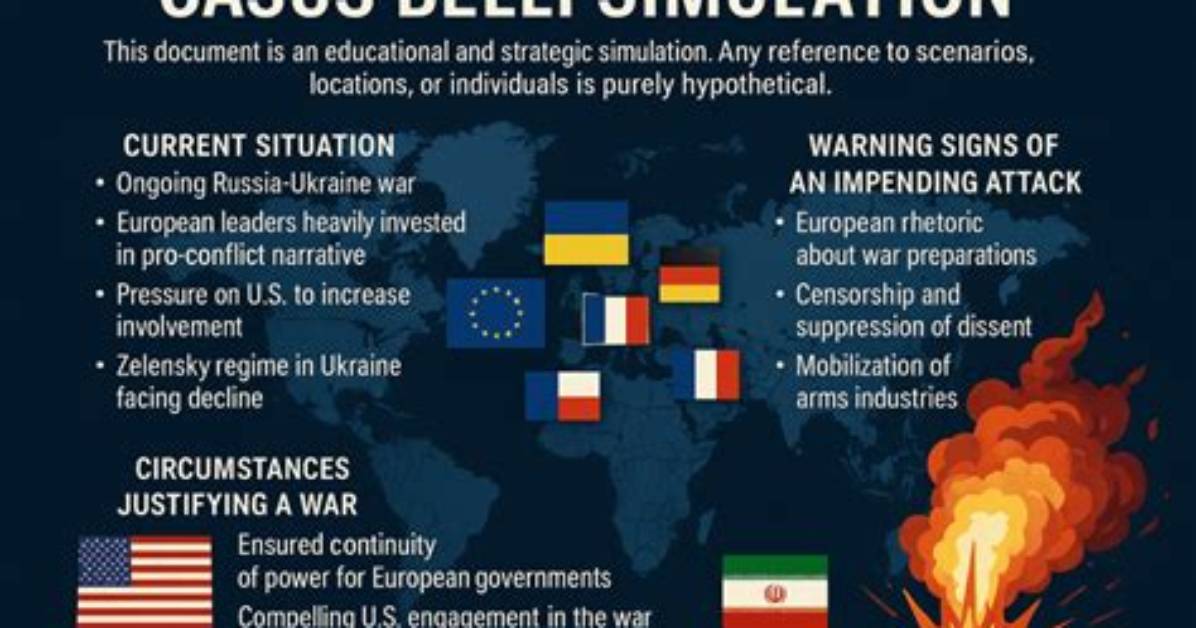
Q1: Is the term casus belli recognized in modern international law?
A1: No. Modern treaties, including the UN Charter and the Rome Statute of the International Criminal Court, do not use or recognize *casus belli*. The law recognizes only the "threat or use of force," "acts of aggression," and "self-defense." The Latin term remains a political and diplomatic concept rather than a legal defense.
Q2: Can a cyberattack serve as a legitimate casus belli for physical military retaliation?
A2: Under the Tallinn Manual, an influential academic study on applying international law to cyber warfare, a cyber operation can be classified as an armed attack only if its scale and effects mirror those of a physical kinetic strike, such as causing structural destruction or mass fatalities. Without those severe physical consequences, military retaliation violates the UN Charter.
Q3: How does international law define an illegal act of aggression?
A3: UN General Assembly Resolution 3314 and Article 8 bis of the Rome Statute define an act of aggression as the use of armed force by a state against the sovereignty, territorial integrity, or political independence of another state. Examples include invasions, military occupations, aerial bombardments, and maritime blockades carried out without UN Security Council approval.
Elena Rostova holds a Master's degree in Public Health Journalism. She covers groundbreaking medical research, holistic wellness trends, mental health awareness, and nutritional science.
