What a Formal Reprimand Actually Means When Disciplinary Action Hits the Headlines
 By Elena Rostova
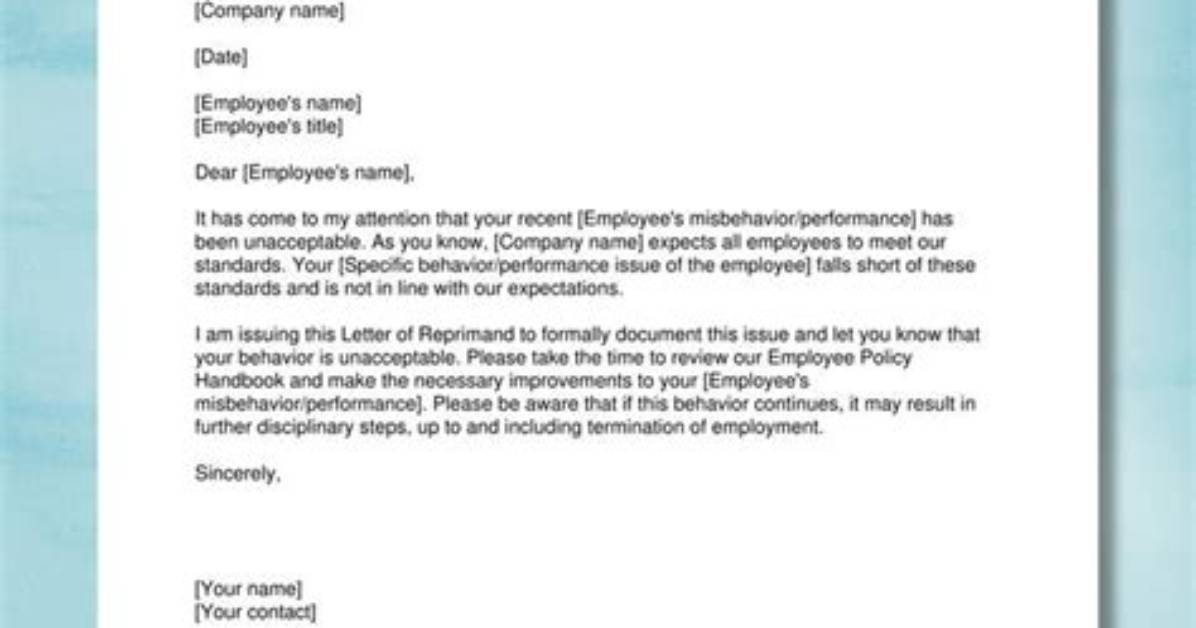
Understanding disciplinary proceedings requires distinguishing between fine gradations of administrative punishment. Many organizations utilize a tiered matrix where each tier carries specific evidentiary burdens and career ramifications.
An admonishment sits at the lowest tier of formal intervention. It represents authoritative advice or a stern caution to cease questionable behavior, frequently delivered off the public record without permanently barring advancement. By contrast, a reprimand constitutes an official disciplinary hearing penalty. It confirms a completed finding of culpability, resulting in a written warning that directly impairs the recipient's institutional standing.
Higher up the escalation ladder sits formal censure. Primarily deployed in legislative assemblies and professional licensing boards, censure represents the collective political or professional condemnation of a peer. A parliamentary censure requires an affirmative vote by an entire chamber, turning an internal misconduct review into an indelible matter of public record.
| Disciplinary Tier | Documentation Level | Career Ramifications | Reversibility |
|---|---|---|---|
| Informal Admonishment | Internal memo or verbal note | Minimal; typically does not halt standard salary progression | High; often expunged after 6, 12 months |
| Formal Written Reprimand | Permanent HR file / service record | Blocks promotions, incentive bonuses, and high-level assignments | Low; requires formal legal or union appeal |
| Parliamentary / Board Censure | Public legislative resolution or press release | Severe reputational loss; strip of committee seats or directorships | Permanent historical record |
| Suspension / Dismissal | Statutory termination documentation | Immediate loss of employment, benefits, and credentials | Requires labor court or civil litigation |
Elena Rostova holds a Master's degree in Public Health Journalism. She covers groundbreaking medical research, holistic wellness trends, mental health awareness, and nutritional science.
