We Asked Beef Experts to Rank Every Steak Cut: What Truly Deserves the Hype
 By James H. Sterling
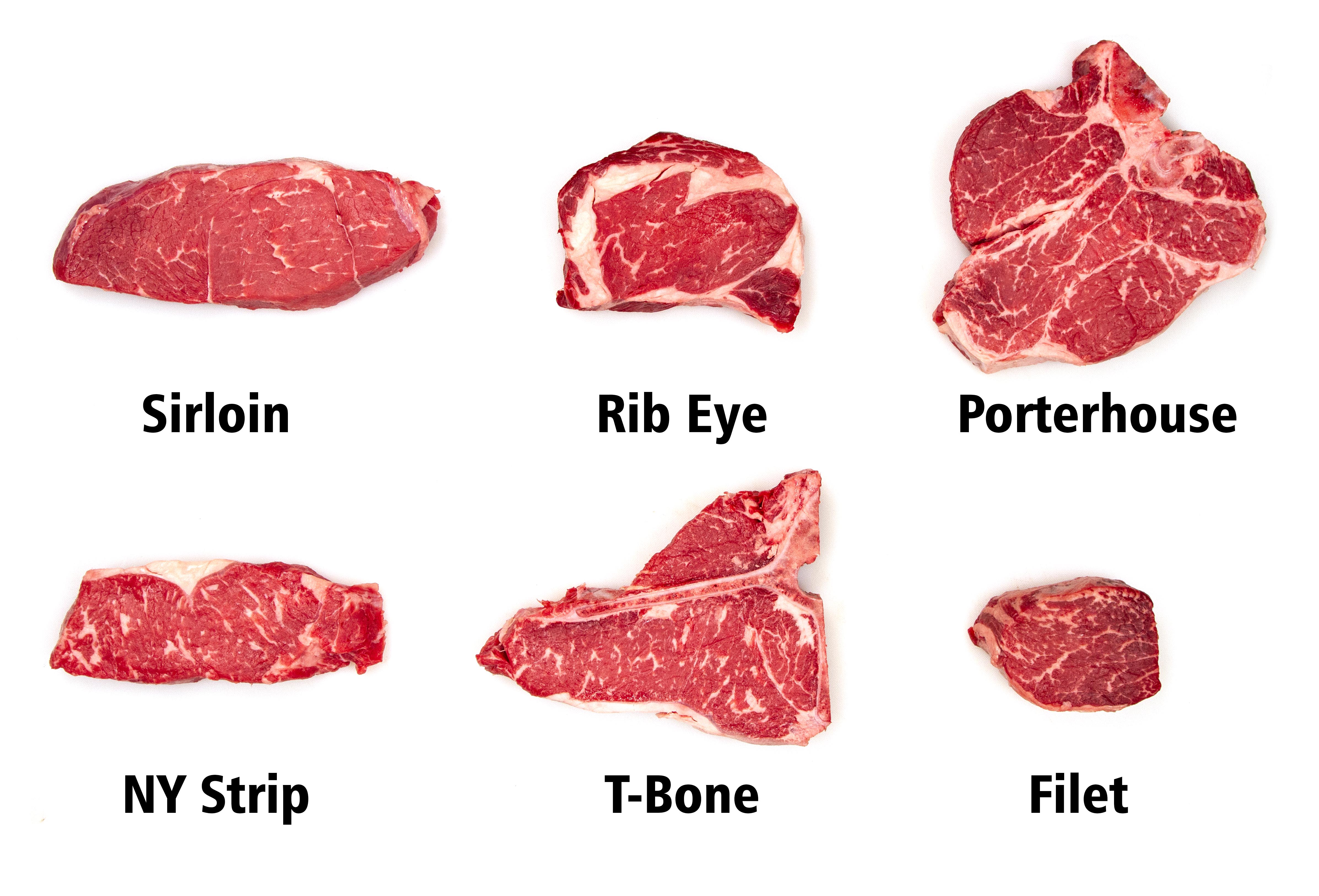
Both the porterhouse and T-bone are composite cuts taken from the short loin, connected by a central lumbar vertebra. The distinction between them comes down to official USDA sizing requirements. To qualify as a porterhouse, the tenderloin portion running opposite the strip loin must measure at least 1.25 inches thick at its widest point. A T-bone requires a tenderloin width of just 0.5 inches.
Cooking these composite steaks presents an immediate thermodynamic challenge. The lean tenderloin cooks substantially faster than the denser, more marbled strip side. Pulling a porterhouse from the fire when the strip reaches a perfect medium-rare often leaves the filet section pushed past its optimal moisture window.
The New York strip solves this variable-cooking dilemma by isolating the longissimus muscle from the loin. Stripped of the bone and the delicate tenderloin, it features a tighter grain than a ribeye, accompanied by a distinct lateral fat cap. It offers an assertive chew, robust beef flavor, and consistent edge-to-edge cooking behavior in cast-iron skillets.
James Sterling reports on renewable energy developments, climate policy, ecological conservation, and green tech innovations around the globe.
