Visual Proof: Side-by-Side Comparison of Australian Possums and American Opossums
 By Sophia Al-Mansoor
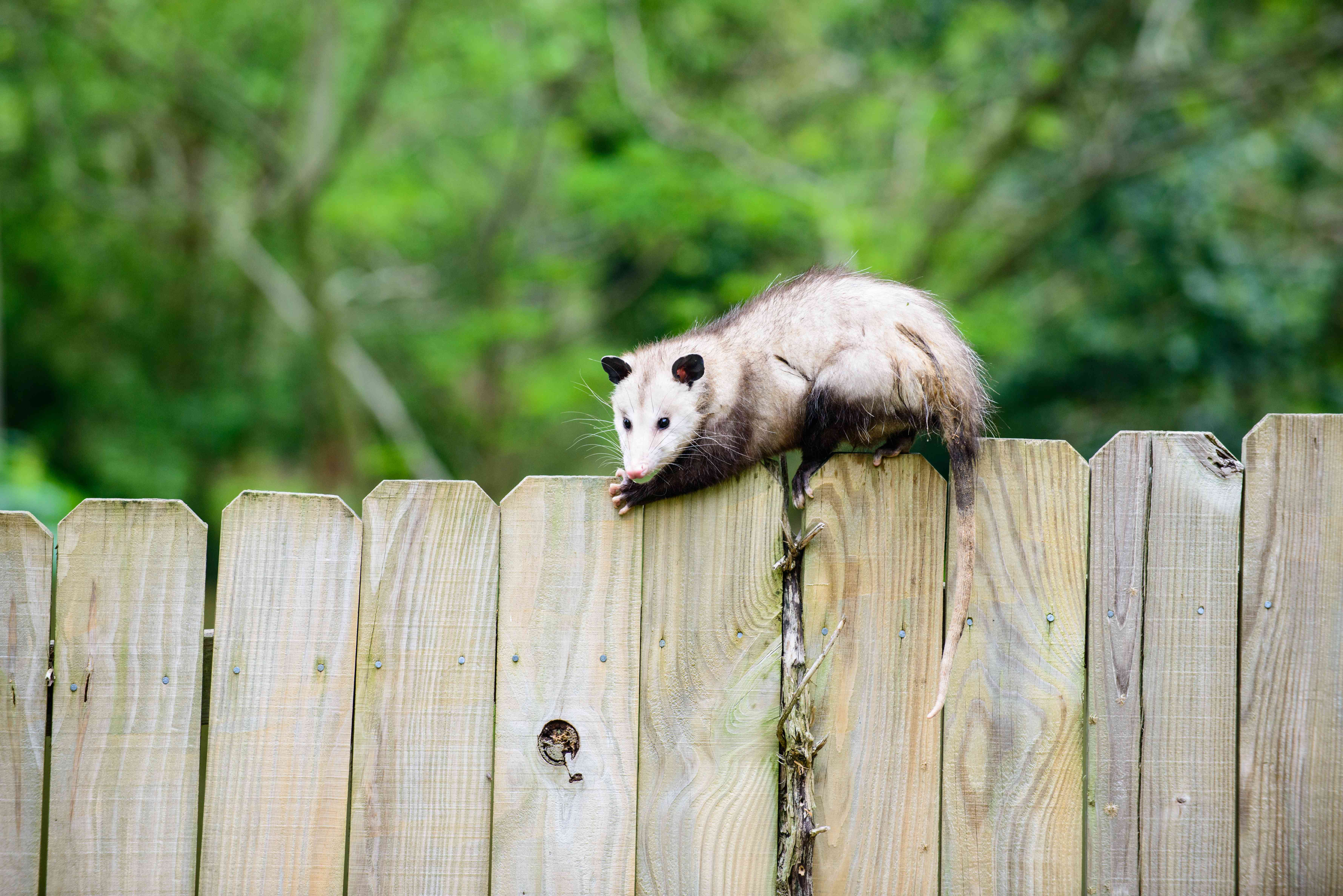
The most dramatic diagnostic marker sits at the rear. The Virginia opossum carries an entirely hairless, scaly tail that looks almost reptilian. This pinkish, cylindrical appendage is a genuine prehensile tool. Young opossums can momentarily suspend their full body weight from branches using this tail, though adults primarily rely on it as a stabilizing fifth limb while navigating narrow tree branches or gathering bundles of dry leaves for ground dens.
Australian possums display distinct variations in tail anatomy depending on their genus. The common brushtail sports a heavily furred, plume-like tail with a dark, brushy finish that accounts for nearly half its body length. Only the underside of the tip features a bare friction pad, allowing the animal to lock onto slick eucalyptus limbs without sacrificing thermal protection.
The common ringtail possum carries a slender tail that tapers into a snow-white tip. It rolls this tail into a tight inward coil when resting, creating an efficient prehensile loop capable of carrying nesting twigs through complex forest layers. Where the American opossum uses its tail as a gritty utility cord, the Australian possum uses it as a balanced rudder and insulating muffler during cold Southern Hemisphere nights.
Sophia analyzes international trade, startup ecosystems, retail transformation, and supply chain logistics for modern digital publications.
