Visual Proof: Inside the World's Most Striking and Controversial Fallen Angel Statues
 By Marcus Vance
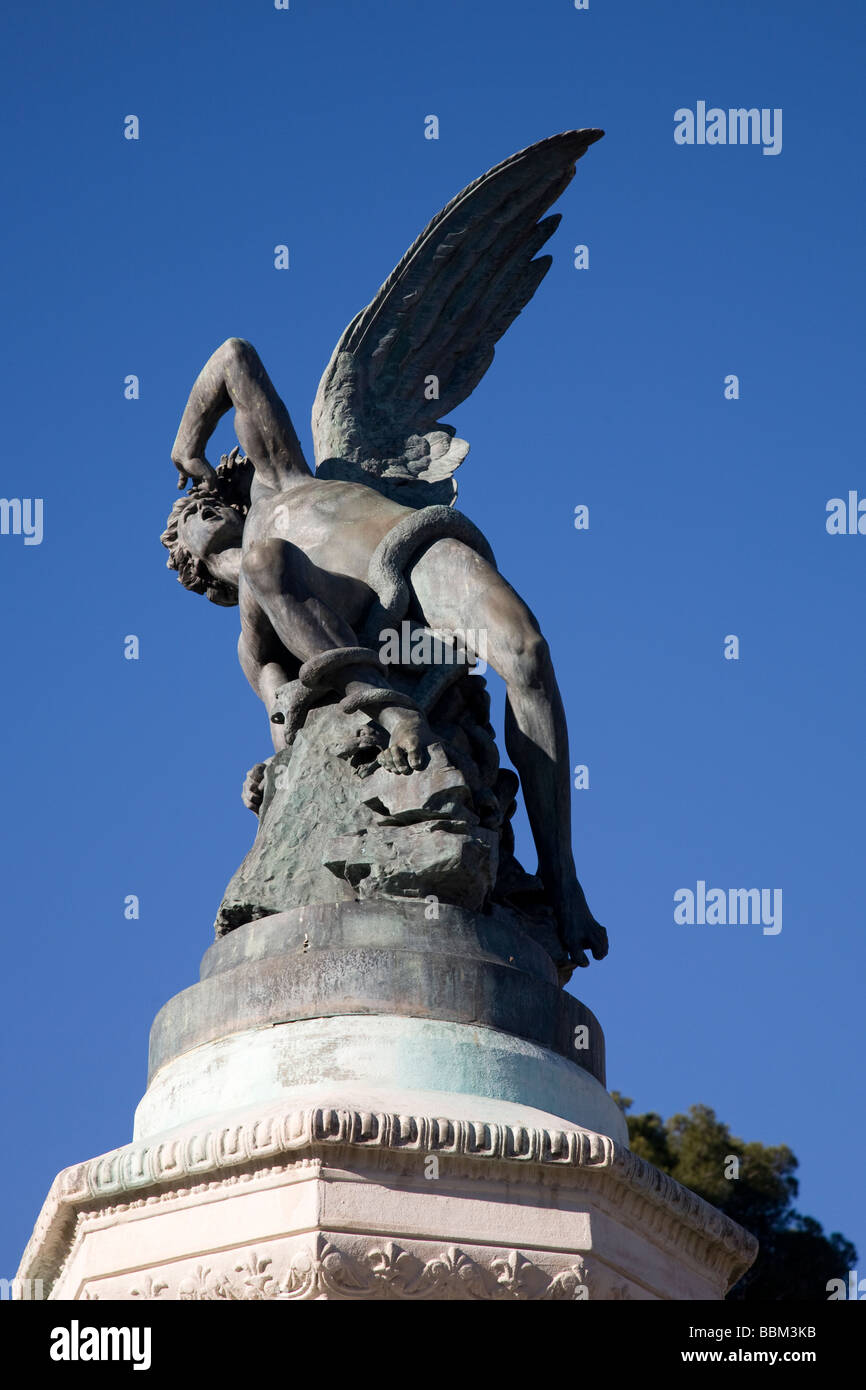
In 1877, Spanish artist Ricardo Bellver carved a plaster model in Rome inspired by John Milton’s epic poem Paradise Lost. Titled El Ángel Caído, the work was immediately recognized as an audacious departure from standard biblical portraiture. Bellver bypassed the monstrous, cloven-hoofed demon of medieval folklore. He sculpted a breathtaking young man writhing in existential agony, pinned backward across jagged rocks while a serpent coils around his torso.
The Spanish state purchased the model, had it cast in bronze, and displayed it at the 1878 Exposition Universelle in Paris. By 1885, architect Francisco Jorrís designed a massive granite base, and the Lucifer bronze sculpture took its place inside Madrid’s Parque del Buen Retiro. Local urban lore often fixates on a curious topographic measurement: the statue sits roughly 666 meters above sea level. While cartographers attribute this solely to Madrid’s natural elevation, the detail cemented the site's reputation among occultists and curious tourists.
Bellver avoided outright condemnation because the narrative posture emphasizes judgment rather than triumph. Lucifer's face twists toward the sky in terror and despair. His mouth opens in a silent scream. The sculpture does not celebrate rebellion; it exposes the visceral price of falling.
Marcus Vance is a cybersecurity auditor and technology writer dedicated to educating the public about online safety, data privacy regulations, enterprise security, and emerging cyber threats.
