Unpacking the Archive: How 'Can You Hear Me Now? Good' Built a Telecom Empire
 By Elena Rostova
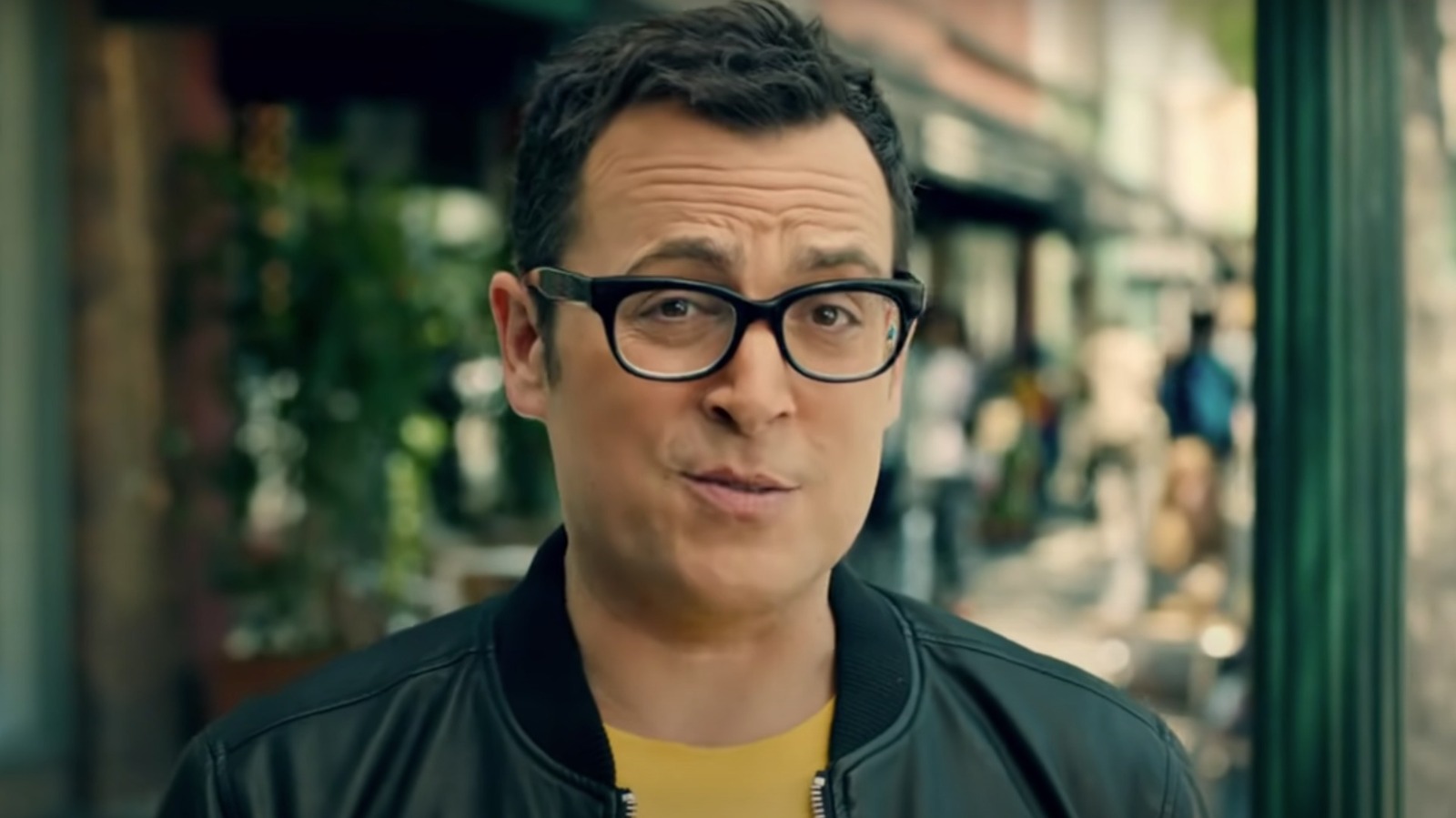
The campaign worked because it drew direct inspiration from genuine engineering routines. Verizon maintained a dedicated fleet of field technicians who traversed highways, subways, and rural backroads carrying banks of diagnostic gear. These employees spent forty hours a week placing short, automated test calls to measure bit-error rates and signal attenuation across local markets.
The creative genius was personalizing those anonymous mobile testing rigs into a solitary human wanderer. The production crew dropped Marcarelli into extreme, cinematic environments: dense forests, desert highways, blizzards, and wind tunnels. Each thirty-second vignette followed an identical pattern. Marcarelli raised his phone, spoke the question, paused while listening to confirmation on the receiver, and delivered the monosyllabic confirmation: "Good."
The repetition acted like psychological conditioning. Within two years, the phrase entered advertising pop culture alongside the most iconic commercial catchphrases in television history. By grounding the dialogue in unvarnished mundane reality, Verizon convinced the public that its cellular network reliability was absolute, effectively framing competitors as unreliable hobbyist options for serious professionals.
Elena Rostova holds a Master's degree in Public Health Journalism. She covers groundbreaking medical research, holistic wellness trends, mental health awareness, and nutritional science.
