Unpacking the $3,000 Chase Bank Bonus: Verified Promotion Breakdown and Rates
 By Elena Rostova
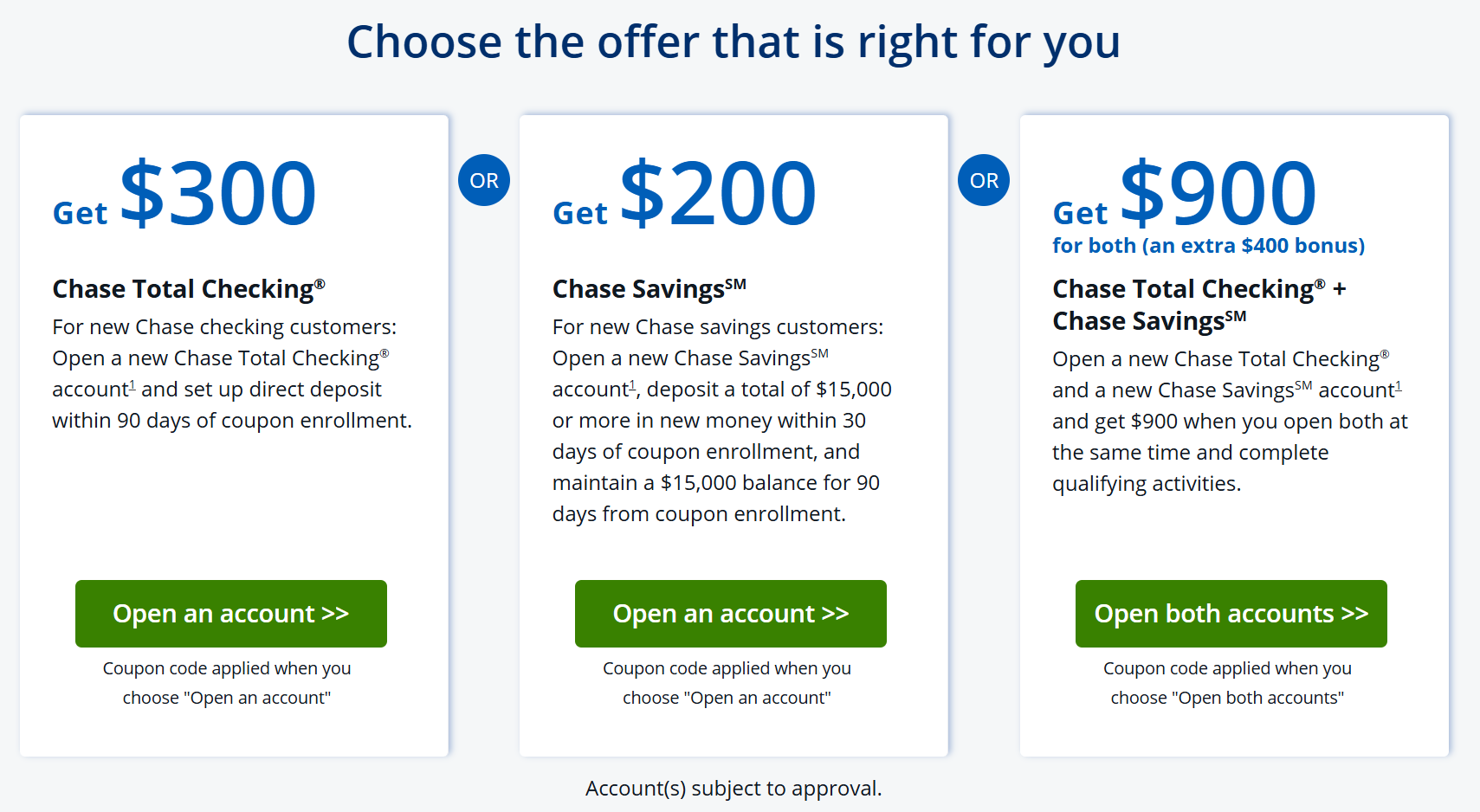
Bank promotions are legal contracts with operational pitfalls. The most common hazard involves the early account termination fee rule. Chase explicitly reserves the right to claw back any credited bonus funds if the customer closes the target account within 6 months of opening. Attempting to extract funds immediately after the incentive posts results in an automated deduction from the final closing disbursement.
Account maintenance fees also pose a subtle drag on realized profits. Chase Private Client accounts carry minimum balance requirements of $150,000 across linked deposits and investments. Falling below that threshold subjects the client to a recurring $35 monthly fee, quickly eating into promotional proceeds. Everyday retail packages demand equivalent vigilance: standard checking carries a $12 monthly service fee waiver threshold, achieved through $500 in monthly direct deposits, a $1,500 daily ledger balance, or $5,000 in aggregate linked Chase balances.
Finally, bank bonuses are not tax-free windfalls. The Internal Revenue Service treats account cash bonuses as ordinary taxable income rather than credit card spending rebates. Chase issues a Form 1099-INT (or Form 1099-MISC) at tax time. A depositor in a top marginal bracket will forfeit over a third of that $3,000 headline figure when settlement day arrives with federal and state revenue authorities.
Elena Rostova holds a Master's degree in Public Health Journalism. She covers groundbreaking medical research, holistic wellness trends, mental health awareness, and nutritional science.
