Tsa Airport Wi-Fi Advisory Alert: New Cybersecurity Guidance for Smartphone Users
 By James H. Sterling
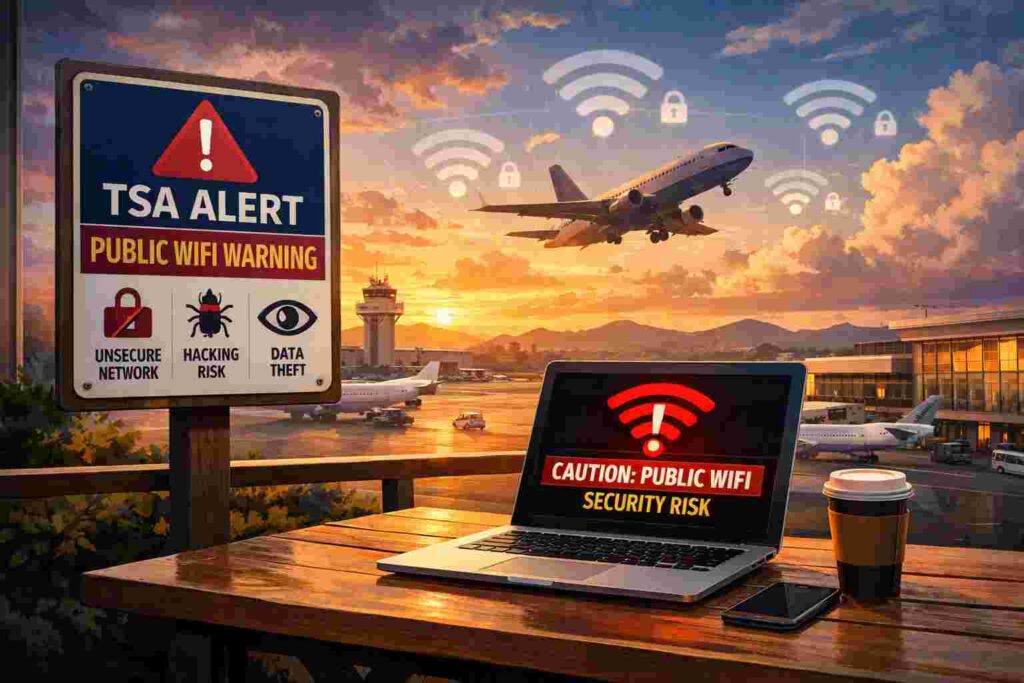
Network signals are not the only vector targeted in high-traffic terminals. The physical ports travelers use to keep devices charged pose an equal security concern. This vulnerability led federal consumer protection agencies and transportation officials to issue explicit juice jacking warnings.
Standard USB cords handle both power and data transmission. When a smartphone connects to an ordinary wall outlet via its own dedicated power brick, only electrical current passes through. When plugged directly into a public USB socket mounted on a gate seating column, the port can establish an active data channel. Tampered ports or rogue hardware hidden behind public terminal panels can run automated scripts designed to download device files, inject spyware, or mirror device screens without the user noticing.
Documented cases of gate-side juice jacking remain less frequent than software-based Wi-Fi intercepts, but the risk profile is severe. Once a malicious actor establishes an authenticated hardware link, mobile operating system sandboxes can be bypassed. Fixing the problem requires a simple physical adjustment: plug directly into standard high-voltage AC wall sockets using your own charging brick, carry a dedicated external battery bank, or use a hardware USB data blocker that physically clips the data pins inside the cable.
James Sterling reports on renewable energy developments, climate policy, ecological conservation, and green tech innovations around the globe.
