Timeline of Rhony's Political Evolution: from Discreet Galas to Run Rumors
 By Chloe Bennett
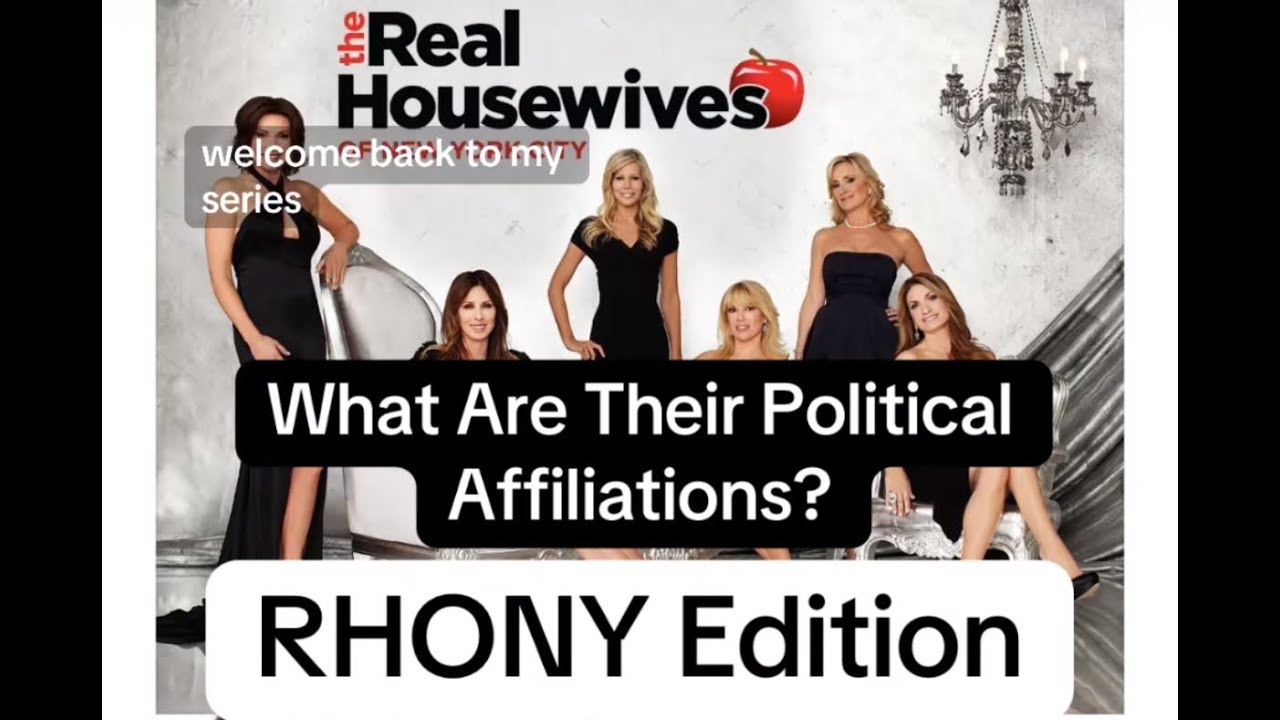
In the franchise’s infancy, power operated through private foundations, museum boards, and high-dollar benefit committees. Cast members like Jill Zarin, Luann de Lesseps, and Ramona Singer positioned their civic participation through high-society gatekeeping. They bid tens of thousands of dollars at Robin Hood Foundation fundraisers and hosted luncheon benefits for animal rescues. Party affiliations remained deliberately obscured. The cardinal rule of old-money Manhattan social circles was simple: talk about the venue, talk about the guest list, but never disclose your direct-mail contributions.
This silence was deliberate. Bravo producers in the late 2000s aimed to sell an aspirational fantasy of post-crisis New York affluence. Acknowledging partisan battles would break the escapist bubble. When cast members crossed paths with political figures, such as brief appearances by local officials or socialite mentions of dinner with governors, these interactions were framed strictly as social prestige rather than policy alignment.
Behind the scenes, public records told another story. Campaign finance filings showed network fixtures writing checks to both Democratic and Republican national committees, hedging their social and commercial bets. Viewers accepted the cast's self-styled identity as nonpartisan bon vivants. That comfortable fiction held until the 2016 general election exposed fractures the production team could no longer edit out.
Chloe Bennett explores the intersection of pop culture, streaming entertainment, digital trends, and contemporary lifestyle. Her weekly commentary reaches thousands of culture enthusiasts.
