Tiktok Effect House Evolution: from Closed Beta to Mobile Ar Creation
 By Sophia Al-Mansoor
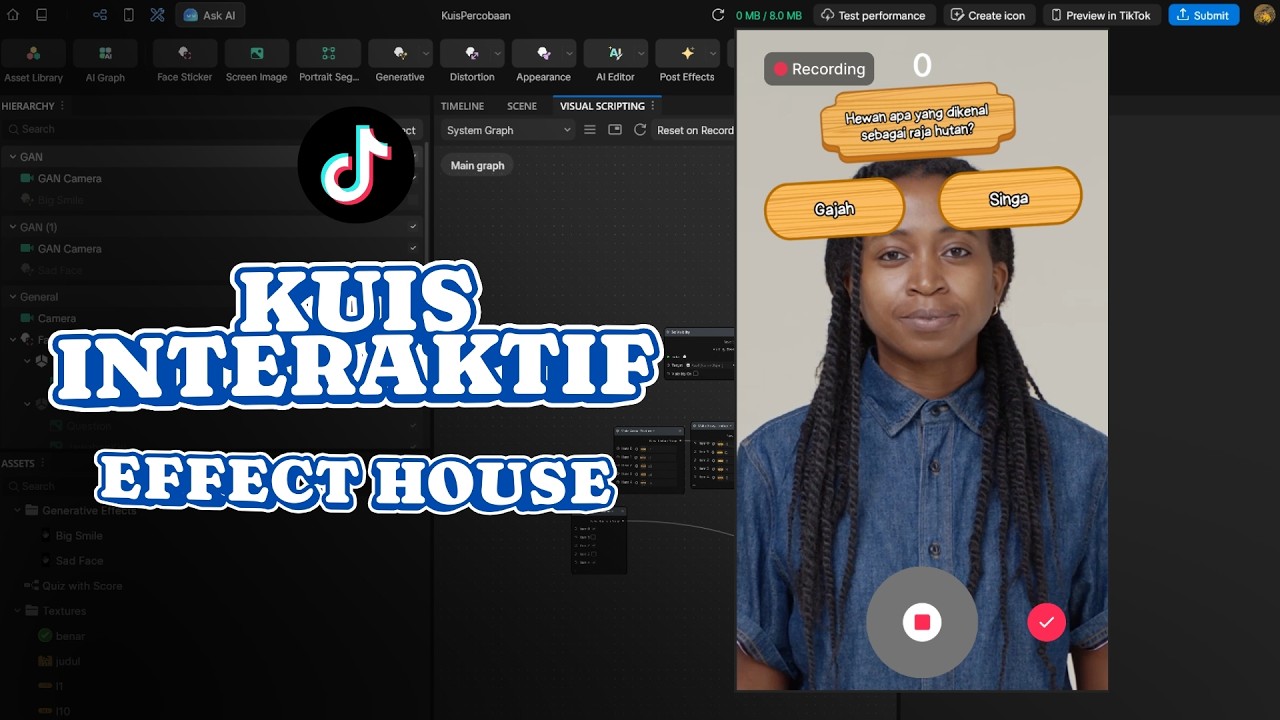
Q1: Do I need to know how to code to build effects in TikTok Effect House?
A1: No traditional programming experience is required. The desktop suite relies on visual scripting nodes where logic is constructed by connecting functional blocks. For basic concepts, the built-in mobile effect editor allows you to build and publish interactive filters entirely through touch templates on your phone.
Q2: How much money can creators make through the Effect Creator Rewards program?
A2: Payouts vary based on video volume, user regions, and current budget pools. Once your effect crosses the eligibility threshold, such as 200,000 qualified video uses within 90 days, payouts accrue per video generated. Top community creators have collected thousands of dollars on viral breakout hits, supplemented by branded AR effects commissioned privately by corporate sponsors.
Q3: Why was my submitted effect rejected during review?
A3: Rejections usually stem from policy flags or technical limits. Common culprits include unlicensed intellectual property, assets that alter body proportions in violation of appearance guidelines, extreme strobing effects without accessibility warnings, or file sizes that exceed platform limits and trigger device lag.
Sophia analyzes international trade, startup ecosystems, retail transformation, and supply chain logistics for modern digital publications.
