Tiktok Display Burn-in Surge: Why Mobile Users Are Sounding the Alarm Now
 By Chloe Bennett
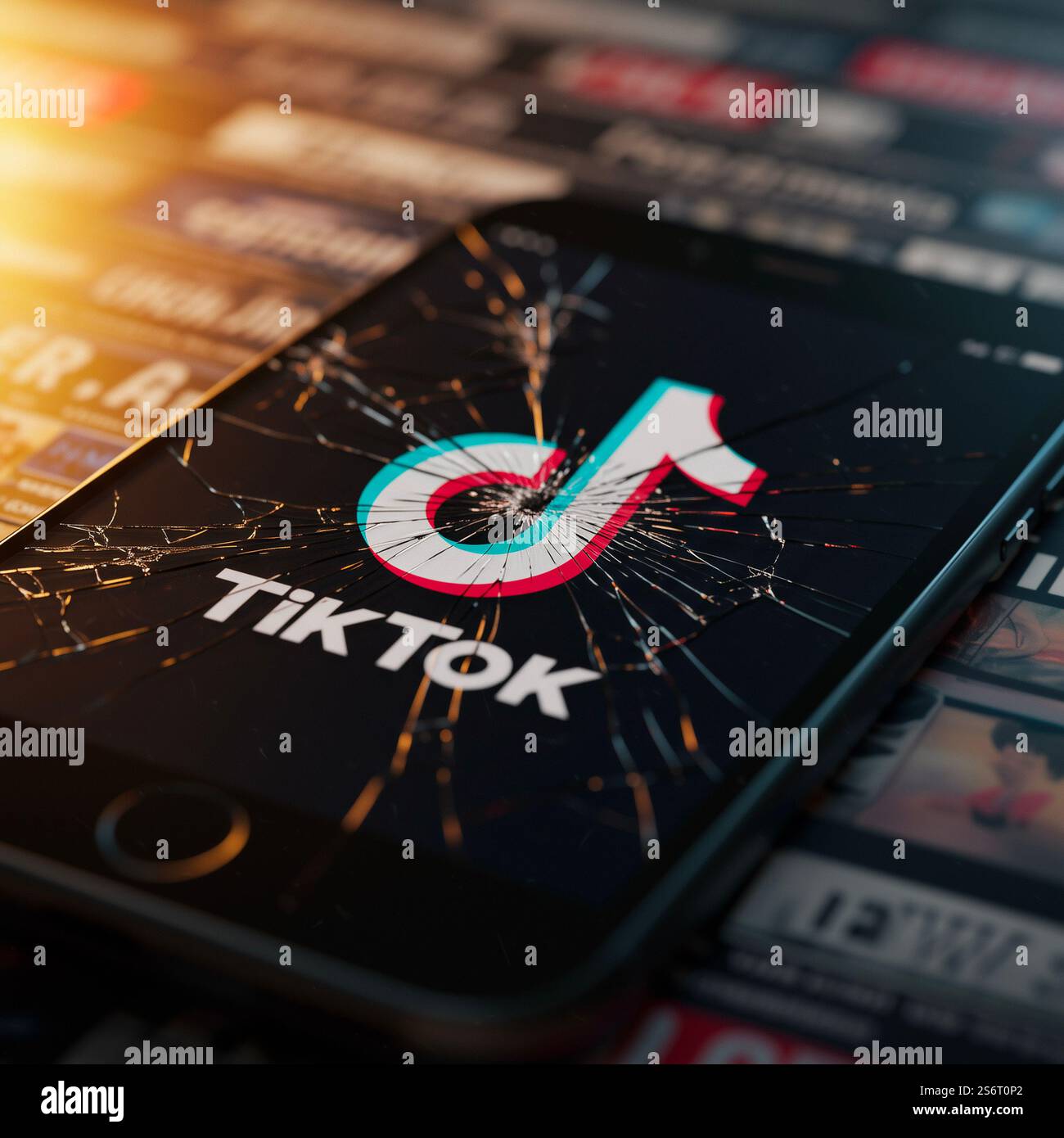
Every modern flagship phone, from Cupertino's premium glass to Suwon's curved displays, relies on organic light-emitting diodes. Unlike older liquid-crystal panels that illuminated an entire sheet of pixels using a shared LED backlight, an organic panel lights each microscopic sub-pixel independently. When a sub-pixel displays pure black, it turns off completely. When it renders pure white or saturated neon, it draws maximum electrical current.
TikTok is built around an interface optimized for algorithmic immersion, keeping the video feed dynamic while anchoring structural controls in place. The vertical right-hand rail, the avatar circle, like heart, comment bubble, bookmark ribbon, and share arrow, stays fixed. The bottom tray featuring the home icon, search compass, upload button, inbox, and profile tab never shifts by a single pixel. While the video behind these graphics changes every fifteen seconds, the user interface remains entirely static.
When sub-pixels glow at high intensity in the exact same coordinates for two to four hours daily, the organic compounds inside those diodes degrade faster than the surrounding areas. Blue sub-pixels are notoriously vulnerable because they require higher driving voltages to achieve the same perceived brightness as green or red emitters. Once those specific organic materials lose their luminescent efficiency, they can no longer reach equal luminance. A TikTok UI ghost image is born: an uneven silhouette of UI elements that sits over every photo, movie, or web page you view.
Chloe Bennett explores the intersection of pop culture, streaming entertainment, digital trends, and contemporary lifestyle. Her weekly commentary reaches thousands of culture enthusiasts.
