Through the Canvas: How Tracey Emin's 'A Second Life' Captures Pure Survival
 By Elena Rostova
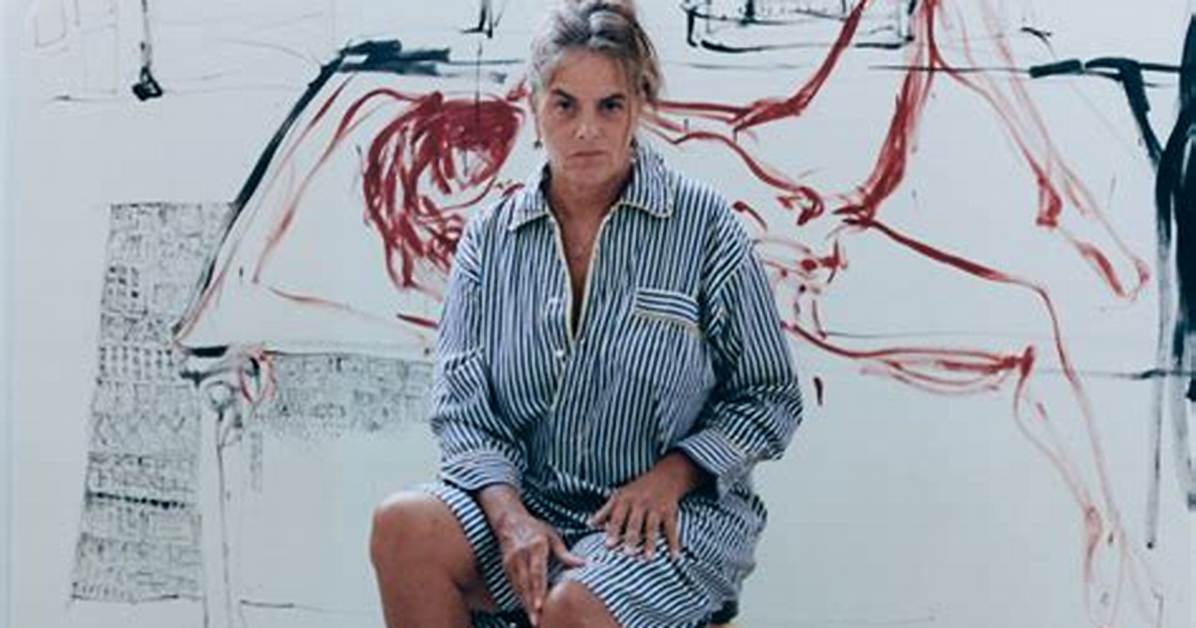
Severe illness often strips away social diplomacy. Surviving a near-fatal event forces a clean break from expectations, obligations, and the performative compromises of middle age. Emin’s phrase, that her second life belongs to herself, articulates a boundary familiar to trauma survivors across the globe.
Her works refuse the conventional cultural scripts of illness. You will find no sanitized bravery or saccharine optimism here. Instead, canvases depict bleeding silhouettes, fractured limbs, and twisted torsos crouched in dark backgrounds. Emin exposes the indignities of a reconstructed body without sentimental filter. She rejects the role of inspirational cancer survivor, choosing instead to present survival as an exhausting, messy, and solitary act of will.
In interviews discussing the show, she repeatedly stated that she no longer cares what critics or the market demand. If her previous life was defined by turbulent romantic attachments and public drama, this second phase centers entirely on physical autonomy. Her studio in Margate acts as a sanctuary where art functions as an internal metabolic process rather than an exchange with a commercial market.
Elena Rostova holds a Master's degree in Public Health Journalism. She covers groundbreaking medical research, holistic wellness trends, mental health awareness, and nutritional science.
