Three Alabama Students Arrested over Trump Tiktok Threats: What Happened Before Mobile Rally
 By Marcus Vance
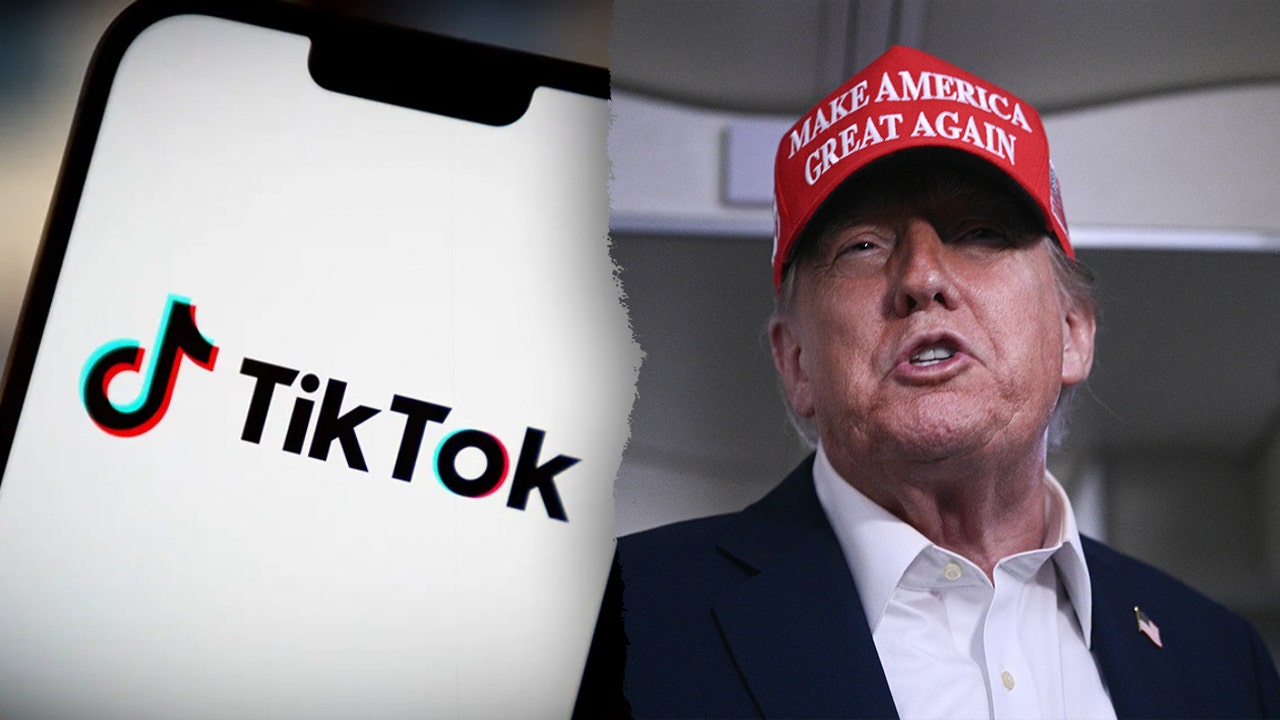
Many young internet users treat TikTok comment sections as detached digital playgrounds where hyperbolic speech carries zero consequences. Federal judges reject that assumption entirely. Sending a death threat across a state line via a digital platform activates interstate commerce jurisdiction under 18 U.S. Code § 875(c).
The statutory bar for prosecution does not demand an elaborate assassination plot. If a comment causes panic, disrupts protected campaign security procedures, or diverts emergency response resources, federal prosecutors treat the act as an active, hostile threat. The U.S. Supreme Court's 2023 decision in Counterman v. Colorado established that prosecutors must show a defendant acted with a conscious disregard of a substantial risk that their communications would be viewed as threatening violence. The crude, high-impact phrasing uncovered in this case easily clears that hurdle.
Federal law enforcement treats political security with heightened urgency following assassination attempts and security lapses over the past two campaign cycles. When high-profile politicians travel, federal protection teams treat any unverified bomb threat or assassination callout as an active operation until an exhaustive physical and digital sweeps prove otherwise. A single flippant post burns hundreds of law enforcement hours within minutes.
Marcus Vance is a cybersecurity auditor and technology writer dedicated to educating the public about online safety, data privacy regulations, enterprise security, and emerging cyber threats.
