The Ultimate Pocket Square Handbook: Beginner Folds, Fabrics, and Care Tips
 By Maya Lin-Takahashi
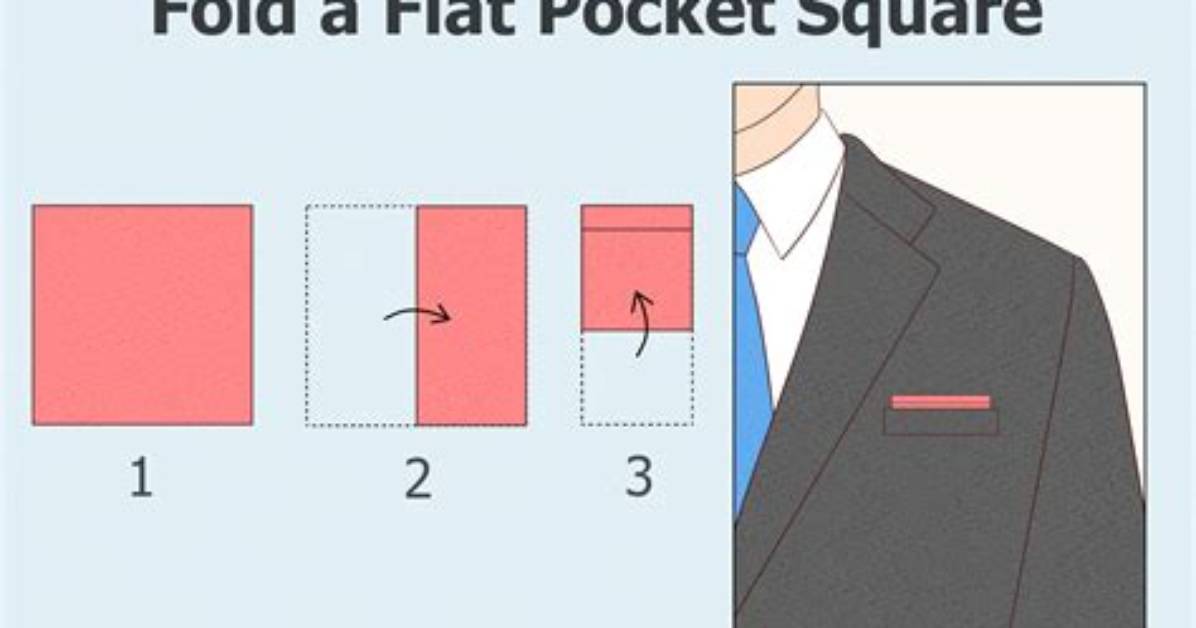
A fold cannot hold its shape if the fabric fights the architecture. Many beginners buy a 12-inch silk square, attempt a presidential fold, and wonder why the fabric slumps into the depths of their breast pocket within twenty minutes.
Stiffness and friction govern pocket square stability. Cotton and linen feature high surface friction and dense weaves, making them ideal for folds requiring sharp creases. Silk, by contrast, is slippery and lightweight. A silk square must measure at least 16 to 17 inches (40 to 43 cm) on each side; smaller silk pieces lack the interior mass needed to anchor themselves against pocket lining.
| Fabric Type | Typical Weight & Finish | Recommended Folds | Best Dress Code |
|---|---|---|---|
| Irish Linen | 130, 160 GSM; textured, rigid hand | Presidential, One-Point, Two-Point | Business Professional, Black Tie |
| Mulberry Silk | 12, 16 momme; lustrous, fluid drape | Classic Puff, Winged Puff, Dunaway | Weddings, Cocktail Attire |
| Crisp Cotton | 100, 130 GSM; matte, highly pressable | Three-Point Crown, Stairs, One-Point | Smart Casual, Summer Weddings |
| Wool / Silk Blend | 140, 180 GSM; chalky, non-slip body | Loose Crown, Freeform Wave, Puff | Autumn/Winter Suiting, Tweed |
When comparing linen vs cotton fabrics, linen remains the undisputed industry standard for white squares. Its natural slub texture prevents the sterile appearance of industrial broadcloth cotton, reflecting ambient light without synthetic sheen.
Maya is a hardware enthusiast who tests and reviews smart home devices, smartphones, wearables, and audio gear. She focuses on practical consumer value and build quality.
