The Ultimate Guide to Bee-Infused Beauty: Honey, Beeswax, and Propolis for Radiant Skin
 By Elena Rostova
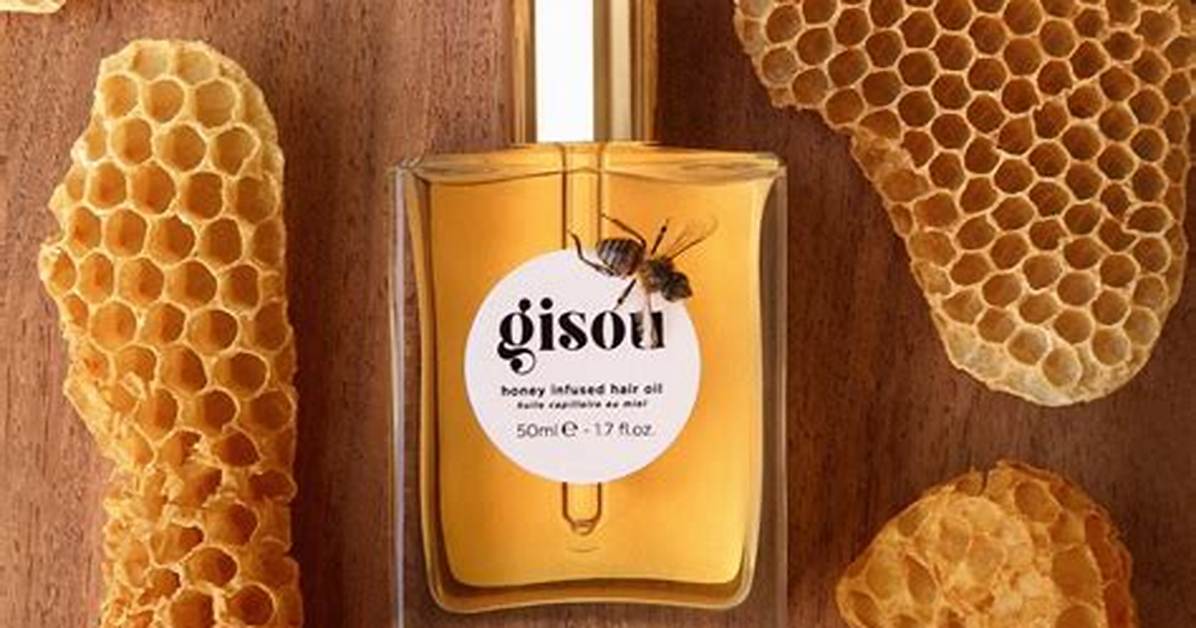
The rapid rise of hive-derived skincare presents ethical and medical considerations that cannot be ignored. The sudden industrial demand for apicultural ingredients puts immense pressure on commercial apiaries. Conscientious consumers must look for transparent sourcing declarations: clean beauty essentials should prioritize cruelty-free venom collection (using low-voltage glass stimulation plates that do not harm the bees or detach their stingers) and sustainable comb harvesting that leaves sufficient winter honey reserves for the colony.
Medical safety requires equal diligence. Propolis, beeswax, and bee venom contain complex botanical proteins and resins. Individuals with confirmed allergies to bee stings, tree resins (such as Peru balsam), or specific pollens risk severe contact allergies. Anaphylactic reactions to topical propolis are rare, but severe allergic contact dermatitis is well documented in clinical journals.
Before introducing any hive-infused cream or serum into a daily regimen, conduct a 48-hour patch test. Apply a dime-sized amount of the formula to the inner volar aspect of the forearm. Keep the area dry. If erythema, pruritus, or vesicular eruptions appear, discontinue use immediately. Hive chemistry is uniquely active; respecting its potency is the only path to radiant, healthy skin.
Elena Rostova holds a Master's degree in Public Health Journalism. She covers groundbreaking medical research, holistic wellness trends, mental health awareness, and nutritional science.
