The Ultimate 16 Guard Haircut Guide: Sizing, Compatible Clippers, and Styling Tips
 By Sophia Al-Mansoor
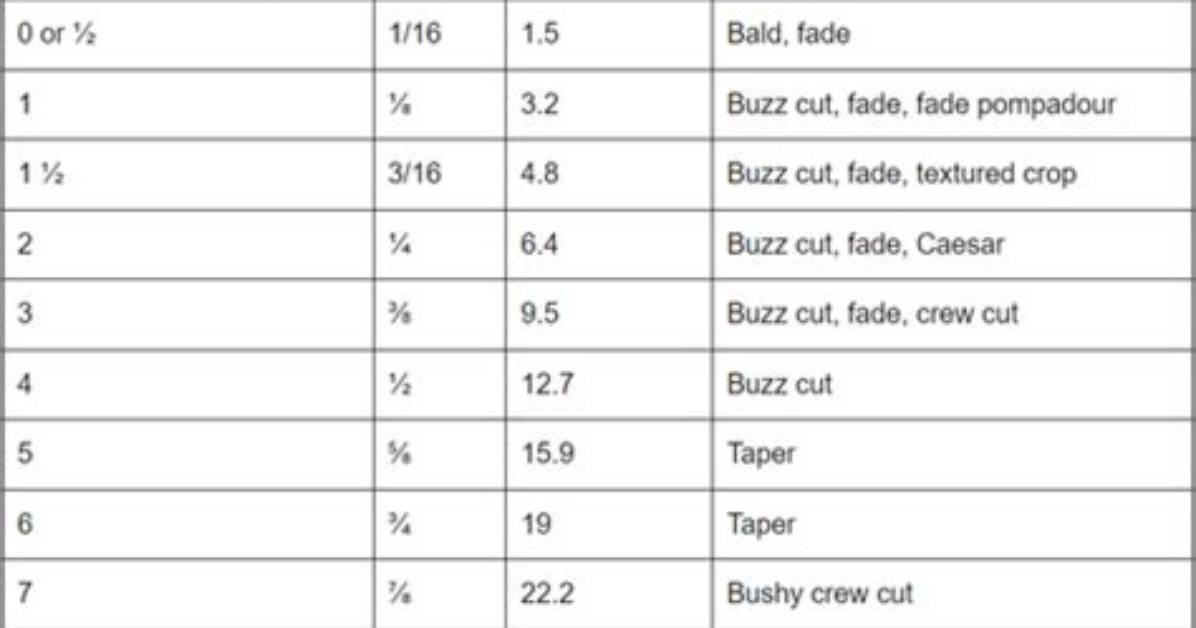
The traditional haircut numbering system operates on an eighth-of-an-inch scale. A #1 guard leaves 1/8 inch of hair on the scalp. A #4 guard leaves half an inch (4/8). A #8 guard delivers a flat one-inch profile (8/8).
Following that foundational arithmetic, a #16 guard yields sixteen eighths of an inch: exactly 2 inches.
For decades, master barbers avoided extra-large clipper guards because soft plastic tines flex under pressure. When long tines bend mid-stroke, the cutting blade bites unevenly into the hair, gouging trenches into what should be a flat plane. Barbers traditionally relied on the scissor-over-comb technique to establish uniform lengths above one inch.
The rise of high-tensile, glass-filled nylon and rigid polycarbonate polymers changed that dynamic. Groomers can now run an oversized guard across the crown without tine deflection, producing an exceptionally uniform baseline that would take twice as long to clear with hand shears.
| Guard Number | Length (Inches) | Length (Metric) | Primary Structural Use |
|---|---|---|---|
| #1 | 1/8 in. | 3.175 mm | Skin fade transition; ultra-short military buzzes. |
| #4 | 1/2 in. | 12.7 mm | Standard crew cut sides; conservative top-lengths. |
| #8 | 1 in. | 25.4 mm | Traditional retail kit ceiling; classic butch cuts. |
| #10 | 1-1/4 in. | 31.75 mm | Transition work between clipped temples and parted tops. |
| #12 | 1-1/2 in. | 38.1 mm | Ivy League top foundation; side-swept short textures. |
| #16 | 2 in. | 50.8 mm | Full scissor-replacement buzz; modern textured French crop bases. |
Sophia analyzes international trade, startup ecosystems, retail transformation, and supply chain logistics for modern digital publications.
