The Shift in Carb Counting: Why Dietitians Want You to Rethink Net Carbs
 By Alexander Ross
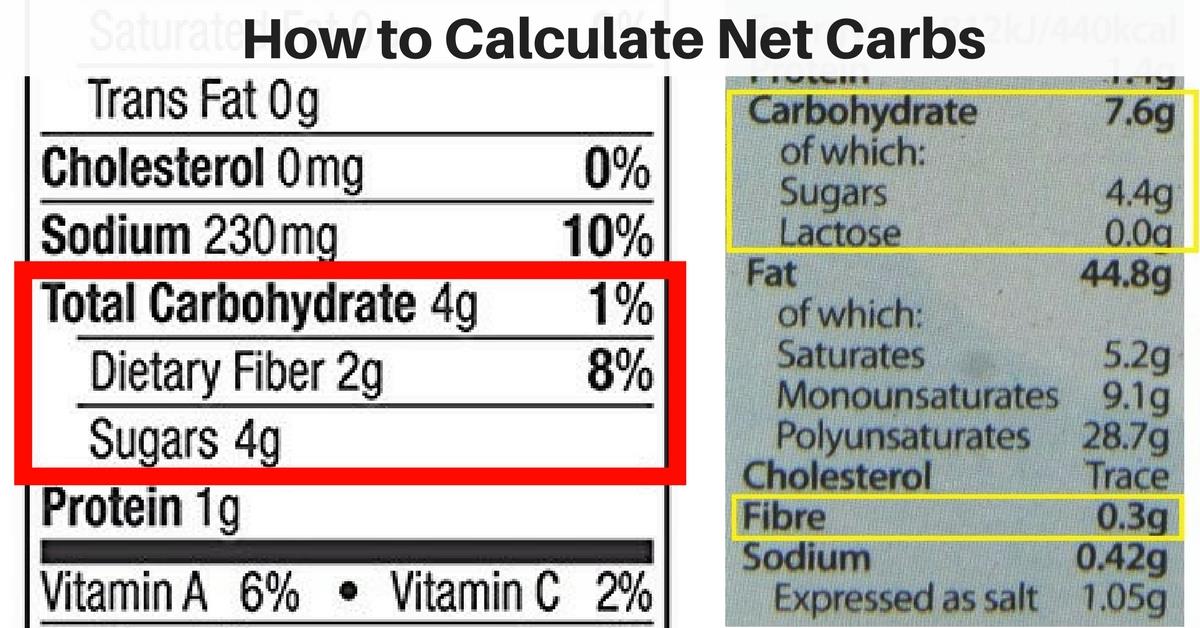
The primary flaw in the net carb equation lies in treating all dietary fiber as biologically inert. Insoluble fiber, the structural cellulose found in wheat bran and vegetable skins, moves through the digestive tract largely intact without contributing usable glucose. Soluble fiber behaves completely differently.
When soluble fibers reach the colon, resident bacteria ferment them into short-chain fatty acids (SCFAs), including acetate, propionate, and butyrate. Through hepatic gluconeogenesis, the human liver converts a portion of these fatty acids into glucose. Rather than yielding zero energy, soluble fiber delivers approximately 1.5 to 2.5 calories per gram. Subtracting every fiber gram across the board immediately distorts the caloric and metabolic tally.
Modern ultra-processed low-carb foods compound this error through novel functional fibers. Commercial bakeries use manufactured soluble corn fiber, modified wheat starch, and isomaltooligosaccharides (IMOs) to bolster fiber numbers. Human trials show that several synthetic fibers digest partially in the small intestine, producing substantial blood sugar spikes despite appearing as "zero net impact" dietary fiber on the label.
Alexander Ross has covered the video game industry for a decade, writing deep dives on game design, esports tournaments, VR developments, and gaming culture.
