The Rise of Viral Wellness Powders: How Prenatal Supplement Safety Evolved
 By David Miller
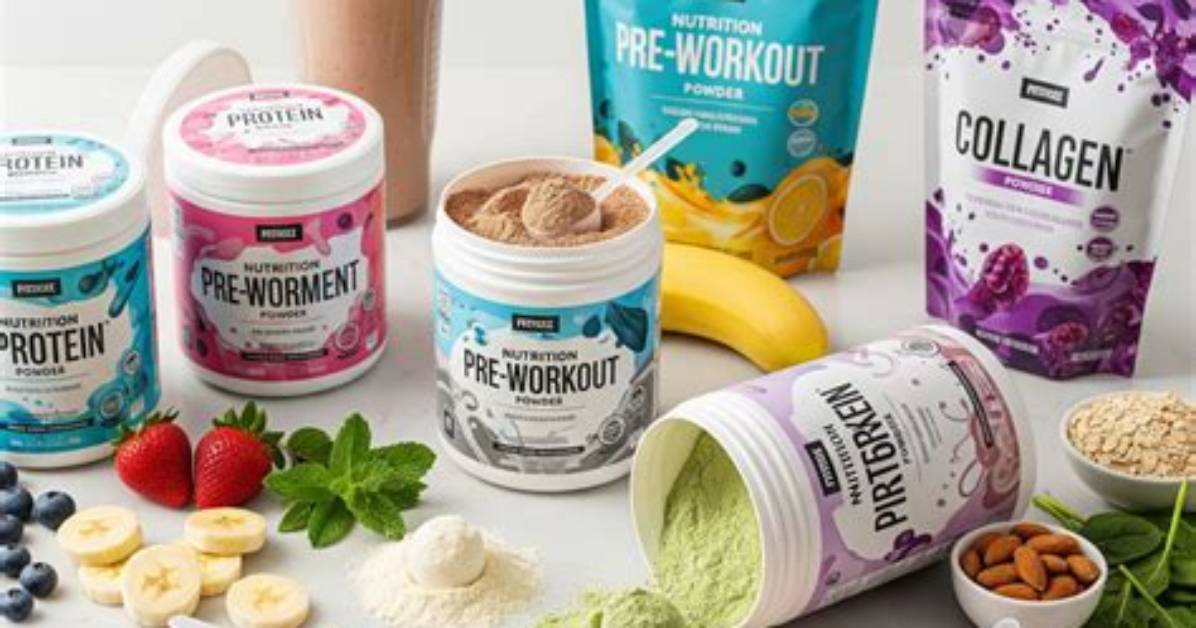
In the United States, dietary supplements operate under the Dietary Supplement Health and Education Act of 1994 (DSHEA). Under this statute, the FDA does not evaluate dietary powders for safety or efficacy before they hit retail shelves. The manufacturer bears the responsibility of ensuring safety, creating an environment where products are recalled only after adverse event reports emerge.
Third-party testing dietary supplements is voluntary. Certifications from bodies like USP (United States Pharmacopeia), NSF International, or ConsumerLab verify whether the contents match the bottle and screen for heavy metals like lead, arsenic, and cadmium. Root crops, grasses, and botanical powders are notorious for pulling heavy metals directly from the soil. In non-pregnant adults, trace amounts of lead are handled through regular filtration; in a developing fetus, lead readily crosses the chorionic villi, where even minute exposures affect neurological formation. Without verified third-party batch assays, taking concentrated agricultural powders carries an unquantifiable toxicological gamble.
David Miller brings 15 years of experience in global economics, personal finance strategy, and market dynamics. He specializes in turning complex economic trends into actionable insights for everyday readers.
