How to Actually Say Hors D'oeuvres: Native French Audio Vs. American English
 By Chloe Bennett
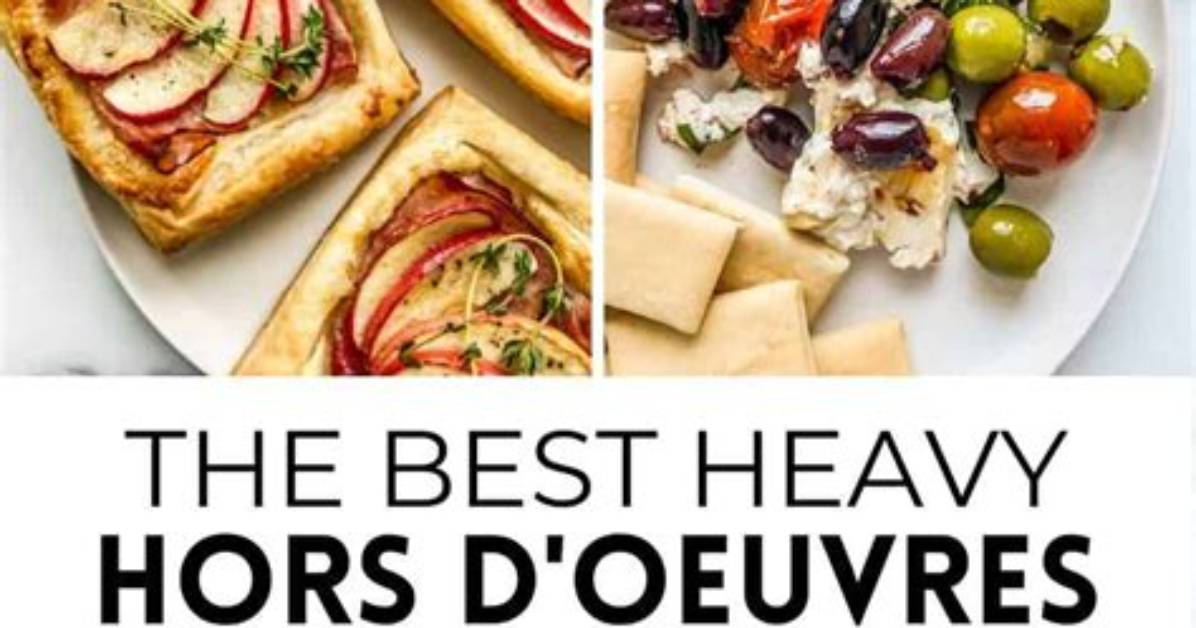
Linguistic confusion often mirrors culinary ambiguity. English uses a wide array of appetizer terminology, and speakers frequently interchange terms that chefs separate into precise operational categories.
Historically, hors-d'œuvre meant dishes served outside the main architectural framework of the meal. In eighteenth-century French service, hot and cold platters sat on side tables while the formal courses progressed through strict stages. In modern English catering, the term has narrowed to denote bite-sized, passed finger foods served during cocktail hour prior to seating.
This functional specialization distinguishes hors d'oeuvres from other common dining items:
- Canapés: Specifically small pieces of toasted or stale bread, crackers, or pastry crust topped with savory spreads, meats, or garnishes. All canapés are hors d'oeuvres, but not all hors d'oeuvres are canapés.
- Appetizers / Starters: Distinct courses served at the table while seated, designed to stimulate the palate immediately before the entrée. An appetizer is generally larger and eaten with cutlery.
- Amuse-Bouche: A single bite-sized offering presented entirely at the chef's discretion, never ordered off the menu, intended to showcase technique rather than satisfy hunger.
Understanding these boundaries prevents both culinary mistakes and conversational errors during menu selection.
Chloe Bennett explores the intersection of pop culture, streaming entertainment, digital trends, and contemporary lifestyle. Her weekly commentary reaches thousands of culture enthusiasts.
