The Rise of '6-7': How a Simple Number Meme Exploded Across the Globe
 By James H. Sterling
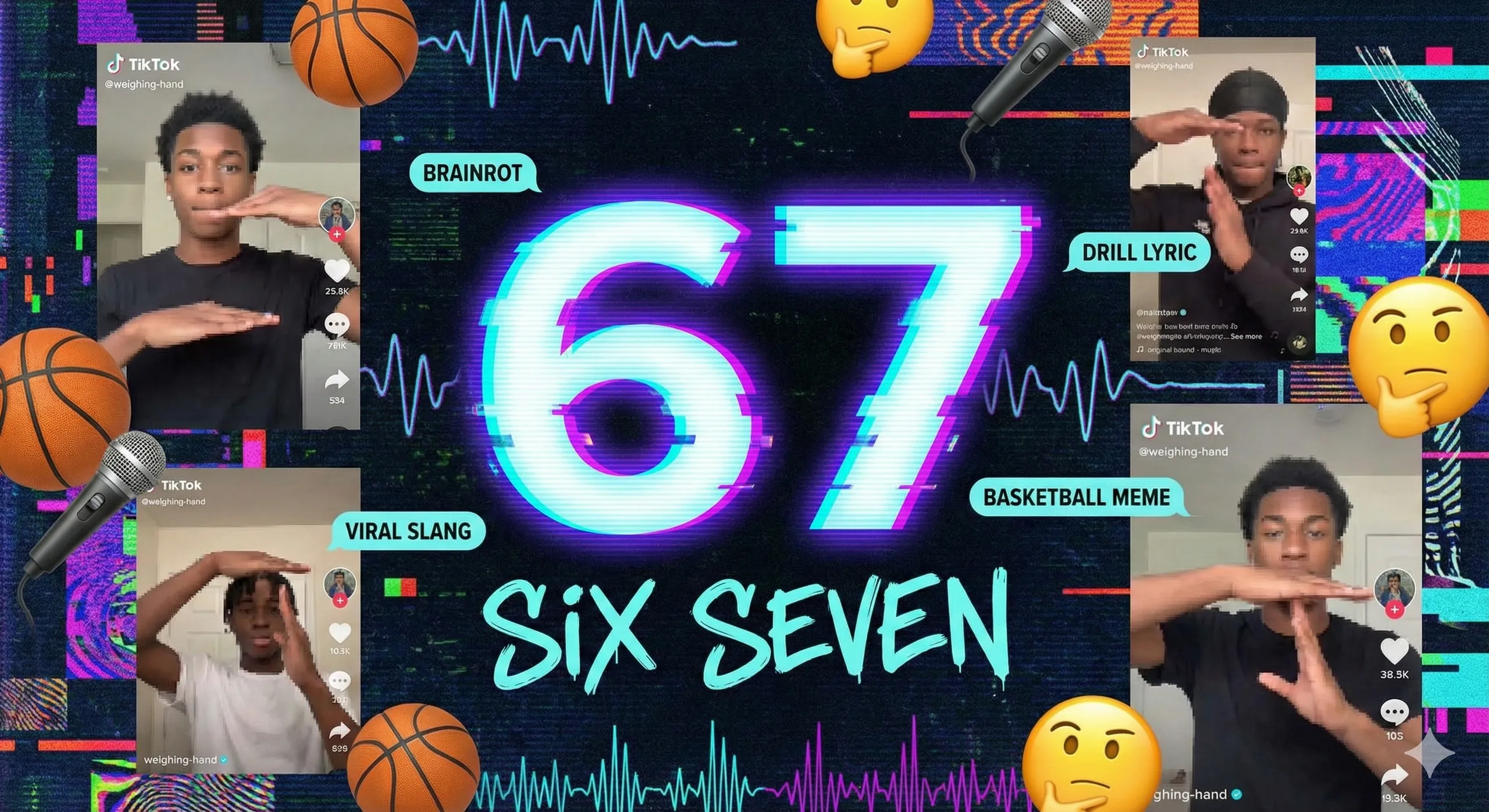
At surface level, the viral 6-7 trend looks like absurdism. On platforms like TikTok, YouTube Shorts, and Instagram Reels, clips began surfacing where creators whispered "six" into lavalier microphones in quiet libraries, waiting for strangers across the floor to finish the sequence. The catchphrase rapidly evolved into a digital calling card across youth slang and culture, functioning as an auditory handshake.
The investigative desk at The Independent examined the linguistic mechanics behind the phenomenon in January 2026, documenting how numerical banter often fills voids left by exhausted text memes. Unlike traditional internet humor that relies on visual formats, "6-7" relies entirely on cadence. The spoken delivery mimics the rapid-fire syncopation of hip-hop cadence, sports cadence drills, and playground clapping chants. When spoken aloud, "six" creates an open-ended sonic tension; "seven" resolves it instantly.
For children participating in Gen Alpha internet culture, understanding the joke is less about deciphering a secret code and more about confirming membership in an active peer network. If someone says "six" and you fail to shout "seven," you show you are out of the loop. If you respond on beat, you confirm you speak the same cultural dialect.
James Sterling reports on renewable energy developments, climate policy, ecological conservation, and green tech innovations around the globe.
