The Rhetoric Behind the Rhythm: Why Literary Scholars Are Dissecting Hip-Hop Rhyme
 By David Miller
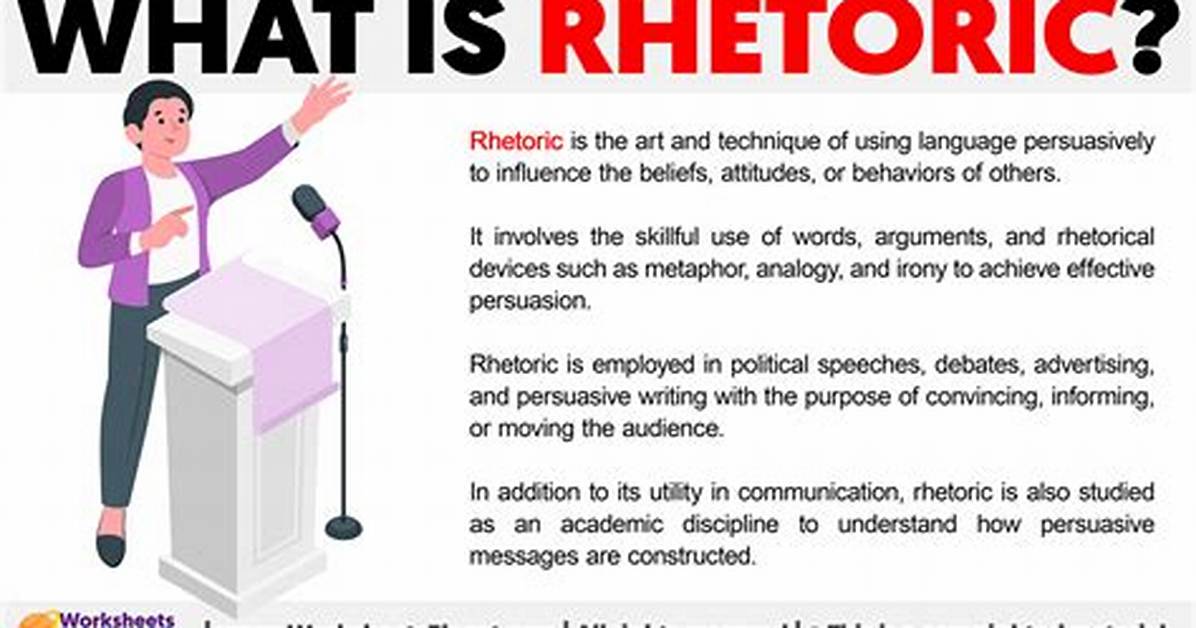
Traditional English verse relied heavily on the predictability of the end rhyme, the neat pairing of monosyllabic terminal sounds that marked nursery rhymes, ballad stanzas, and early pop songs. Early hip-hop from the late 1970s and early 1980s frequently employed this AABB scheme: "cat" paired with "hat," placed squarely on the fourth beat of every bar. It served an immediate social function, establishing an easily parsed party atmosphere over disco breaks.
That structural baseline did not stay static for long. By the late 1980s, innovators like Rakim introduced internal rhymes that fractured the linearity of the musical bar, planting rhymes unpredictably across sixteenth notes. Suddenly, the end of the line was no longer the sole target. Lyricists began deploying tropes traditionally identified in classical Greek and Latin oratory. Chiasmus, inverting phrase structures for conceptual balance, became a common stylistic weapon, as heard in Jay-Z’s legendary construction: "I'm not a businessman, I'm a business, man."
When Daniel Levin Becker surveyed rap verse, he highlighted this natural kinship with constrained writing. Becker’s membership in the Oulipo, a group of French mathematicians and writers devoted to formal algorithmic constraints, provided him with a unique vantage point to analyze how lyricists treat rhyme not as decorative trim, but as an ironclad organizational engine. An MC working inside an eight-bar sequence solves complicated phonemic puzzles in real time, navigating constraints that would exhaust a conventional formalist poet.
David Miller brings 15 years of experience in global economics, personal finance strategy, and market dynamics. He specializes in turning complex economic trends into actionable insights for everyday readers.
