The Psychology of Romantic Quotes: Why Millions Turn to Love Phrases in Times of Crisis
 By Chloe Bennett
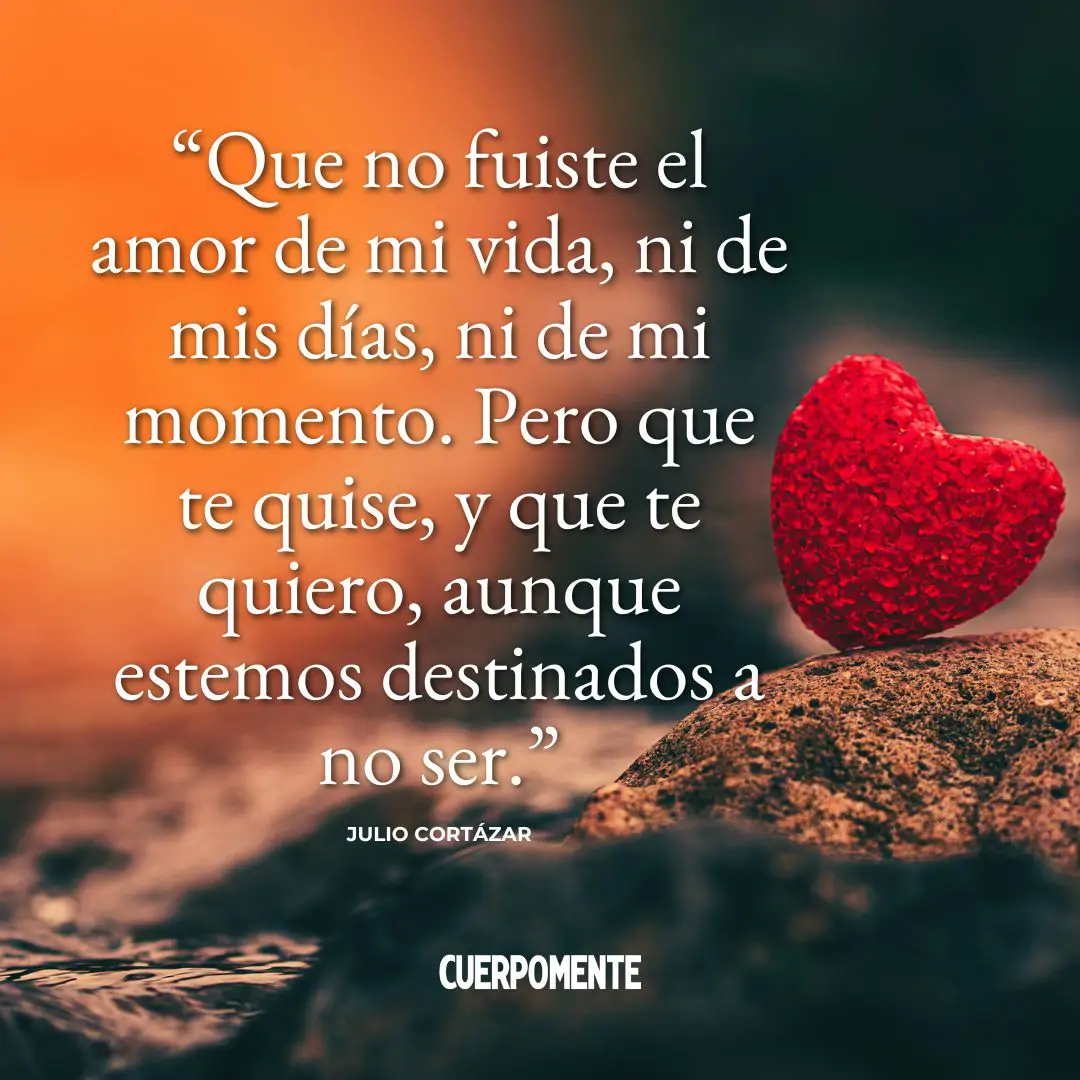
The modern digital consumption of romantic aphorisms stems directly from decades of public street poetry. The street art movement Acción Poética, founded by Armando Alanís Pulido in Monterrey, Mexico, in 1996, transformed stark white walls into black-lettered literary spaces. These interventions stripped poetry of its academic elitism, delivering bite-sized verses directly to commuters navigating daily routines.
By the mid-2010s, this visual tradition merged with algorithmic distribution networks. The physical wall became a digital post, but the psychological impulse remained unchanged: public proclamation of private feeling as a defense against emotional erasure.
| Medium & Era | Primary Form | Psychological Mechanism | Dissemination Velocity |
|---|---|---|---|
| Urban Romantic Graffiti (1996, 2014) | Whitewashed masonry, black typography, poetic street art | Geographic solidarity; unexpected emotional confrontation | Hyper-local; relies on physical pedestrian foot traffic |
| Early Social Archiving (2015, 2020) | Curated photo galleries, photo-blog posts, visual roundups | Digital voyeurism; early virtual identity projection | Moderate; link-sharing and viral lifestyle blogs |
| Algorithmic Micro-Poetry (2021, 2026) | Video overlays, static quote carousels, bio aphorisms | Rapid cognitive reframing; targeted emotional validation | Immediate; powered by recommendation graph algorithms |
The transformation illustrated above underlines an important shift. While the delivery mechanism migrated from building facades to smartphone screens, the human appetite for brief, potent romantic expressions remained constant.
Chloe Bennett explores the intersection of pop culture, streaming entertainment, digital trends, and contemporary lifestyle. Her weekly commentary reaches thousands of culture enthusiasts.
