What Is Dynamite? Why Decades-Old Stashes Turn into Lethal Hidden Bombs
 By Maya Lin-Takahashi
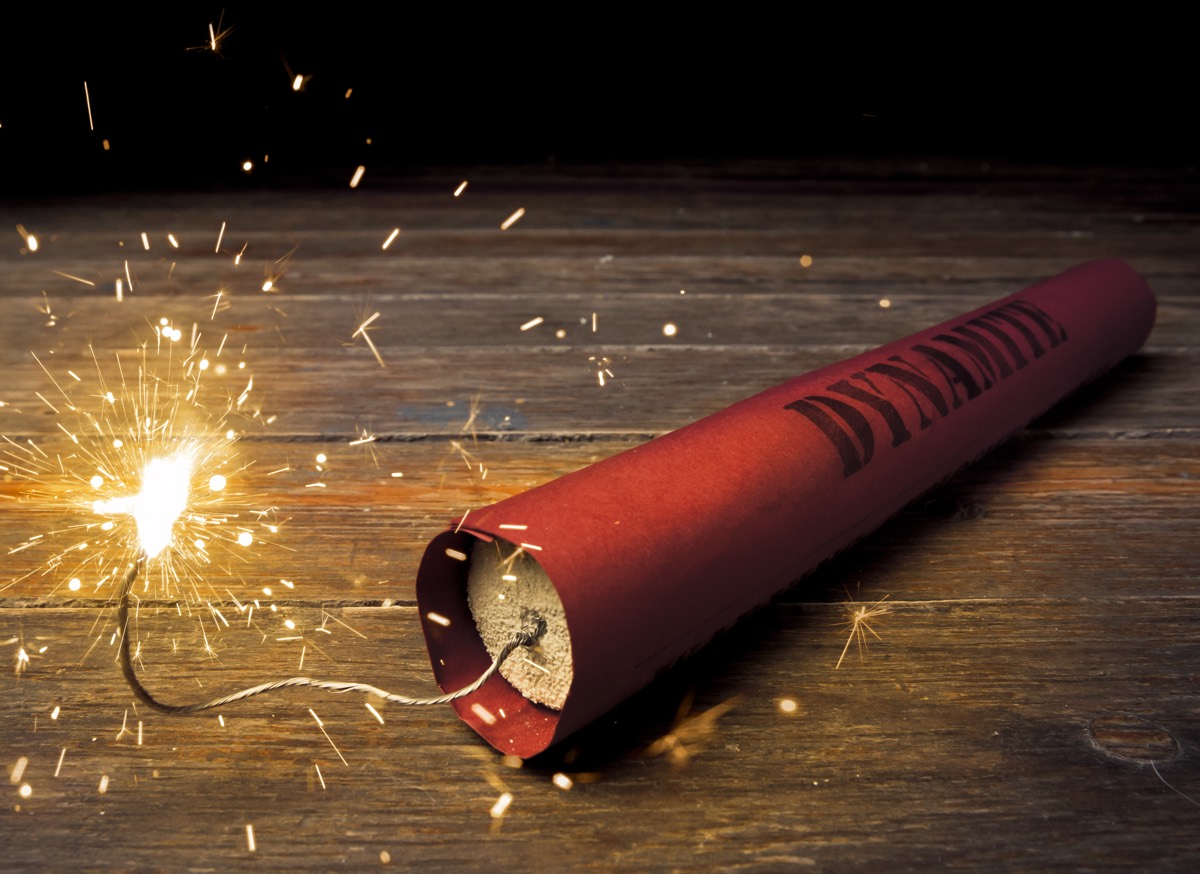
Dynamite was never designed for indefinite shelf life. Manufacturers intended cartridges to be used within one to two years of rolling. When left in unconditioned sheds, root cellars, or humid barns, the organic pulps and chemical binders begin a slow physical breakdown driven by seasonal temperature swings and moisture absorption.
This breakdown causes nitroglycerin exudation, an industrial hazard known plainly on the field as "sweating dynamite danger." As the absorbent filler degrades, oily yellowish droplets push through the outer paraffin-waxed paper wrap. In prolonged storage, the exuded liquid evaporates partially, depositing microscopic, needle-like nitroglycerin crystals across the surface of the stick, the crate nails, and the storage shelving.
Those crystals represent a catastrophic failure of the safety envelope. While solid dynamite requires a high-velocity shockwave to detonate, crystalline and liquid nitroglycerin are vulnerable to pure mechanical friction. Turning an old wooden crate upside down, cutting through degraded paper with a pocketknife, or simply shifting an old tool against a sweating stick can exert enough localized friction to shatter the chemical bonds and trigger the entire mass.
The presence of white or amber crystallization on a dynamite cartridge is an active emergency. The explosive is no longer dynamite in any practical engineering sense. It has reverted into unbuffered liquid and crystallized nitroglycerin, stripped of Nobel's safety barrier and resting on a hair trigger.
Maya is a hardware enthusiast who tests and reviews smart home devices, smartphones, wearables, and audio gear. She focuses on practical consumer value and build quality.
