The Power Tool Showdown: How Lowe's and Home Depot Split Major Tool Brands
 By James H. Sterling
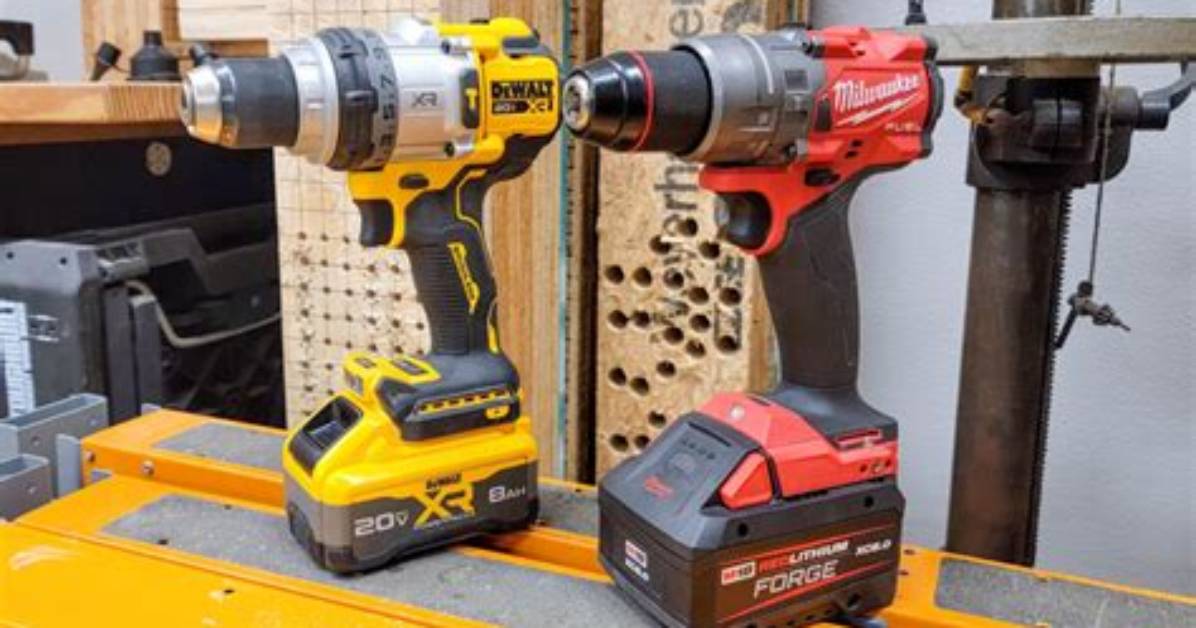
Walking into a big-box store feels like entering an open marketplace, but the shelf space functions more like guarded territory. Hardware retail relies on system lock-in. Once an electrician or general contractor invests $1,500, $3,000 into a specific cordless battery platform, switching brands becomes financially painful. Batteries, chargers, and brushless motors bind the customer to a single ecosystem.
Home Depot recognized this dynamic early. In the mid-2000s, as lithium-ion battery technology began replacing heavy nickel-cadmium packs, retail leadership bet on trade-focused specialty equipment. By cementing strategic ties with Hong Kong-based conglomerate Techtronic Industries (TTI), Home Depot secured premier placement for the Milwaukee brand across its entire physical store footprint.
Lowe's pursued an alternative path. Rather than fighting for shared access to Milwaukee, the Mooresville-based retailer forged a deep commercial alliance with Stanley Black & Decker. Lowe's positioned DeWalt power tools as its flagship offering for general construction crews, while building out the Craftsman tool line for residential remodelers and Kobalt power tools as an entry-to-mid-tier value option. That strategic divide remains firmly entrenched.
James Sterling reports on renewable energy developments, climate policy, ecological conservation, and green tech innovations around the globe.
