The Photograph That Sparked a Movement: the Archival Record of Emmett Till
 By Alexander Ross
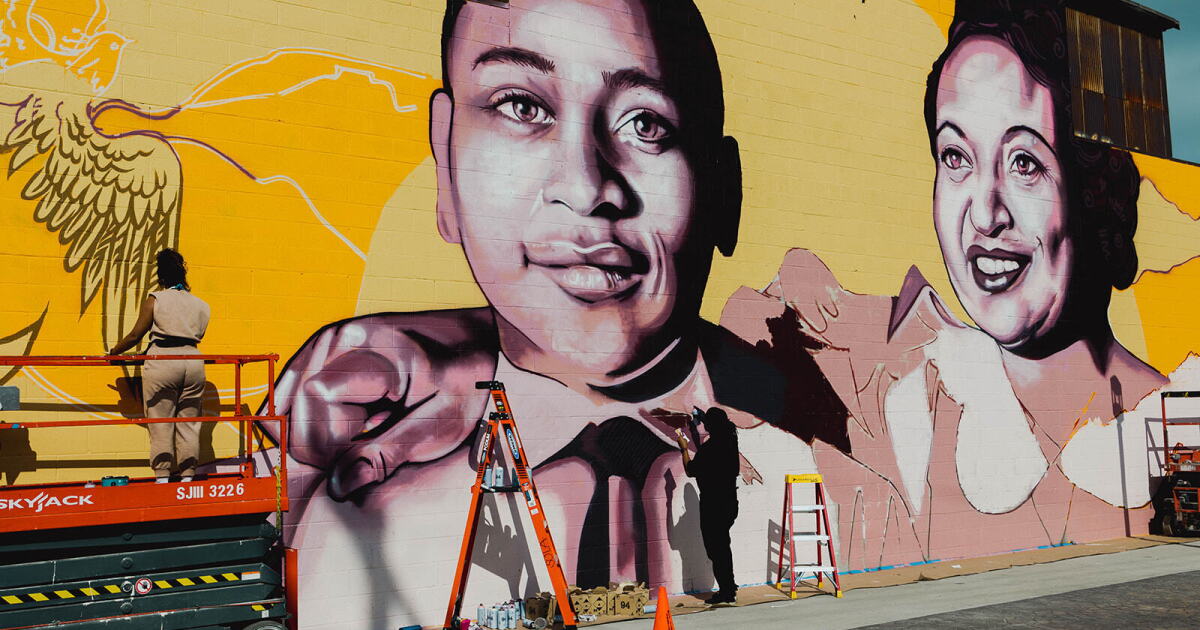
For decades, the legal system offered no accountability for the murder. The federal government reopened the investigation in 2004, and again in 2018 following claims regarding Carolyn Bryant Donham's statements to a researcher. A Mississippi grand jury declined to indict Donham in August 2022, citing insufficient evidence before her death in April 2023. The courtroom delivered no convictions.
Legislatively, however, the archival memory of Till forced historic federal movement. For over a century, anti-lynching legislation failed to clear the United States Senate, blocked by filibusters more than two hundred times. In March 2022, President Joe Biden signed the Emmett Till Anti-Lynching Act, officially designating lynching as a federal hate crime punishable by up to thirty years in prison. The legislation closed an institutional void that had remained open since the 1900s, anchoring modern hate-crime statutes directly to Till's name.
In July 2023, federal protections expanded geographically when the White House established the Emmett Till and Mamie Till-Mobley National Monument, spanning three historic sites across Illinois and Mississippi: Roberts Temple Church of God in Christ in Chicago, the Tallahatchie County Courthouse in Sumner, and Graball Landing, the river site where Till's body is believed to have been pulled from the water.
Alexander Ross has covered the video game industry for a decade, writing deep dives on game design, esports tournaments, VR developments, and gaming culture.
