The Pandora Engraving Craze: Is the Viral Personalized Necklace Worth the Hype?
 By Marcus Vance
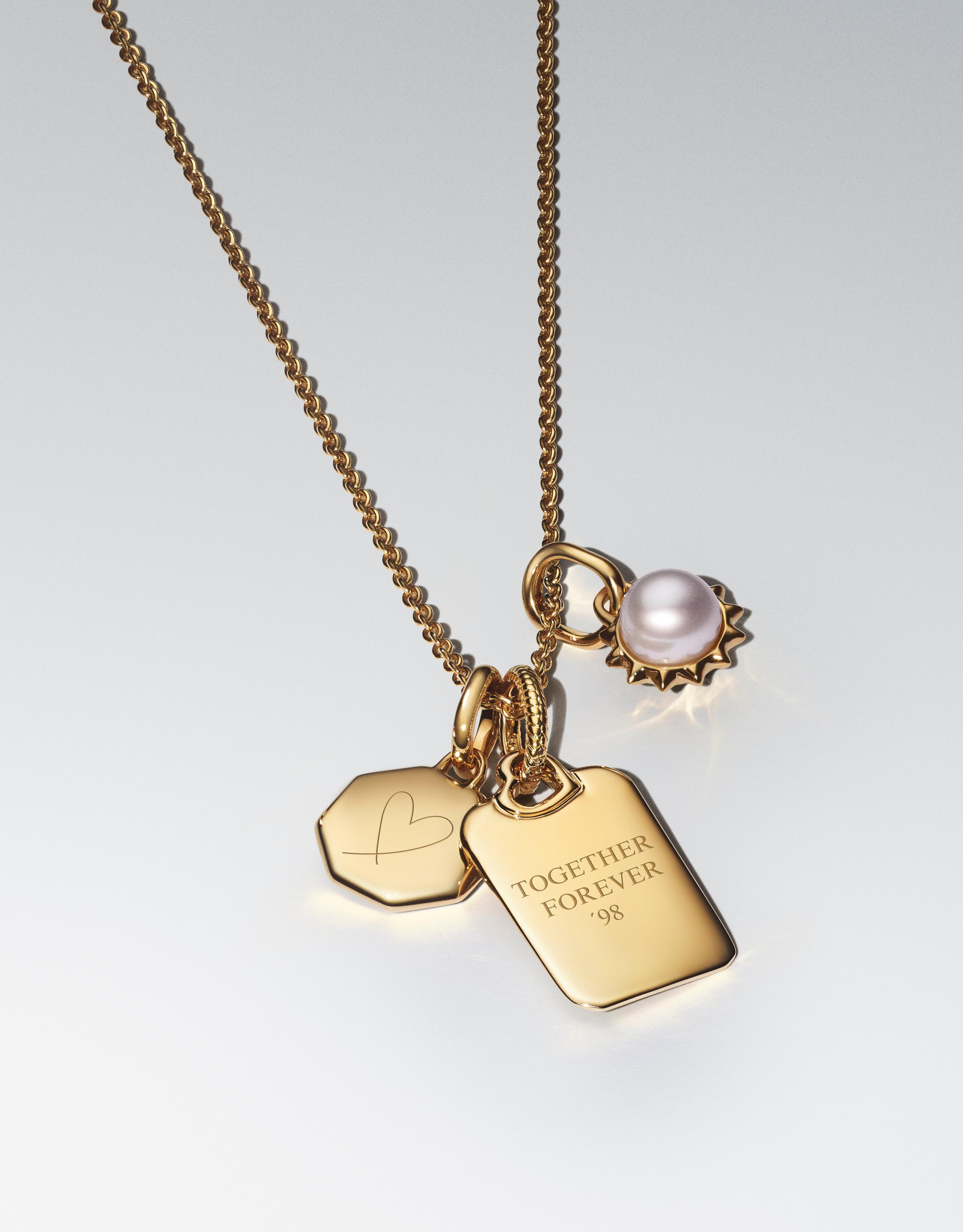
Pandora transitioned from hand-carved jeweler traditions to proprietary computerized stations in late 2022, scaling the rollout across global flagships throughout 2024 and 2025. Today, the Pandora engraving service operates through an automated laser vaporization process. Customers interact with a bespoke tablet interface, choosing between classic serif lettering, modern sans-serif fonts, or their own hand-drawn doodles uploaded directly via QR code.
The physical machinery uses a low-wattage fiber laser to ablate the top microns of metal. Unlike traditional rotary diamond-drag engraving, which physically displaces metal to cut deep, light-catching V-shaped grooves, surface laser marking strips away microscopic layers to produce a frosted or darkened high-contrast image. On sterling silver, this etching looks crisp and sharp straight out of the box. The process takes roughly two to four minutes per side, making it one of the most accessible personalized gift ideas on the high street. But that shallow depth comes with technical tradeoffs: daily friction against rough fabrics, layered chains, or seatbelts gradually buffs down shallow laser etching faster than traditional jewelers' gouges.
Marcus Vance is a cybersecurity auditor and technology writer dedicated to educating the public about online safety, data privacy regulations, enterprise security, and emerging cyber threats.
