The Meaning of Skeptical Explained: Evidence, Traits, and Clear Examples
 By Chloe Bennett
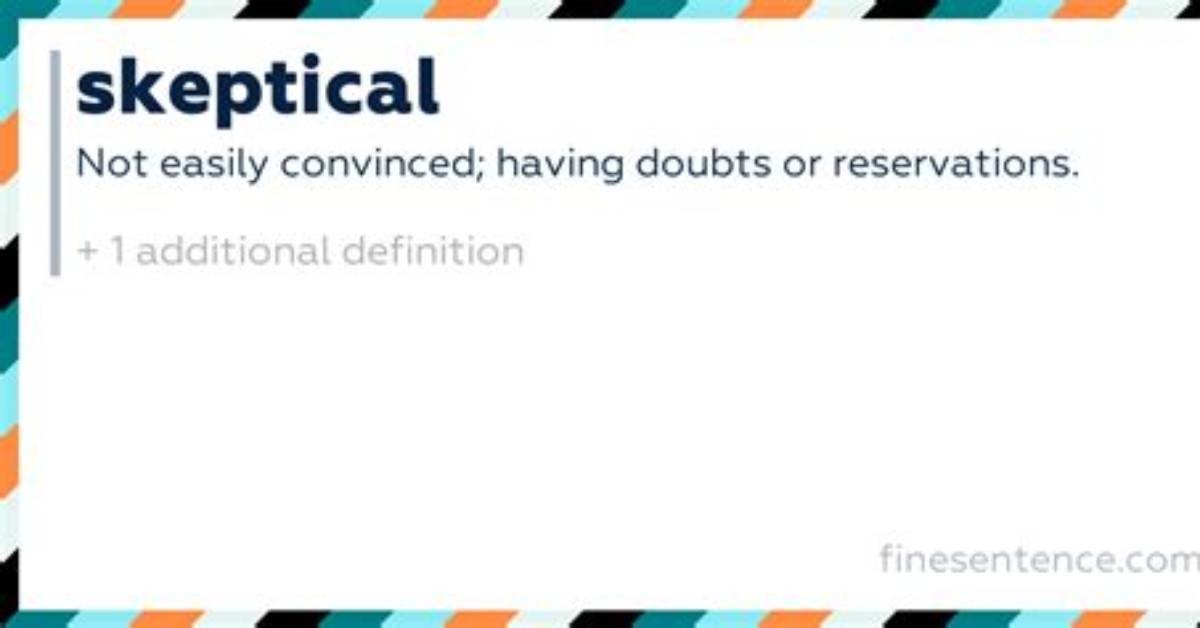
Applying structured scrutiny in everyday life does not require an advanced degree in statistics. It requires a disciplined series of diagnostic habits practiced systematically whenever high-consequence information appears.
Begin by analyzing primary source chains. Many sensational headlines quote aggregated articles that quote press releases that misrepresent a single observational study. Tracking an explosive claim back to its primary document often reveals that the actual findings are narrow, preliminary, or heavily qualified by the original researchers.
Examine incentive models and funding declarations. A nutritional study financed by an agricultural lobbying group or an energy efficiency report sponsored by an oil conglomerate requires careful cross-examination. Industry funding does not automatically invalidate empirical data, but it demands external replication from independent teams with no direct financial stake in the outcome.
Finally, practice falsification. Ask yourself what specific piece of evidence would convince you that your current stance is incorrect. If you cannot identify any metric, document, or finding that would shift your position, your stance is driven by ideological conviction rather than skeptical inquiry.
Chloe Bennett explores the intersection of pop culture, streaming entertainment, digital trends, and contemporary lifestyle. Her weekly commentary reaches thousands of culture enthusiasts.
