The Fluffy Pancake Secret Chefs Swear by: Why Real Buttermilk Outperforms Box Mixes
 By Maya Lin-Takahashi
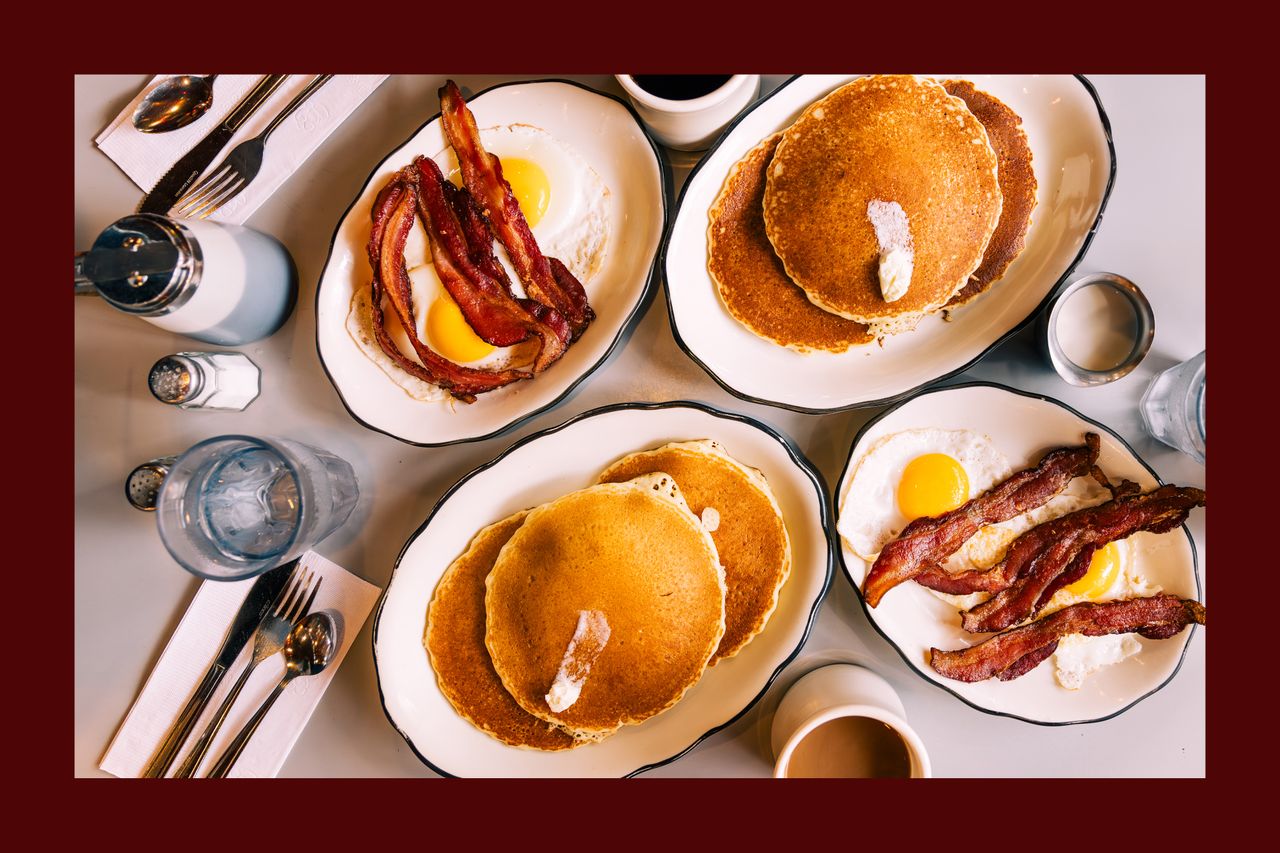
Cooking at an imprecise heat level will compromise an otherwise flawless batter. If the cooking surface falls below 350°F, the batter spreads excessively, absorbs cooking grease, and turns rubbery before browning can occur. If the surface climbs past 400°F, the exterior scorches before the interior crumb has time to expand and set its matrix.
A heavy cast iron pan provides the thermal mass needed to prevent surface cooling when cold batter hits the pan. Heat the cast iron over medium-low heat for 10 full minutes until an infrared thermometer registers between 365°F and 375°F across the center. Pour 1/3 cup of rested batter per cake. Watch for bubbles breaking across the surface; flip only when those bubble holes remain open and the edges lose their glossy wetness. That single flip locks in the lift, providing an even, mahogany crust without compressing the delicate internal chambers.
Maya is a hardware enthusiast who tests and reviews smart home devices, smartphones, wearables, and audio gear. She focuses on practical consumer value and build quality.
