The Evolution of the Alphabet: How Y Landed as the 25Th Character
 By Sarah Jenkins
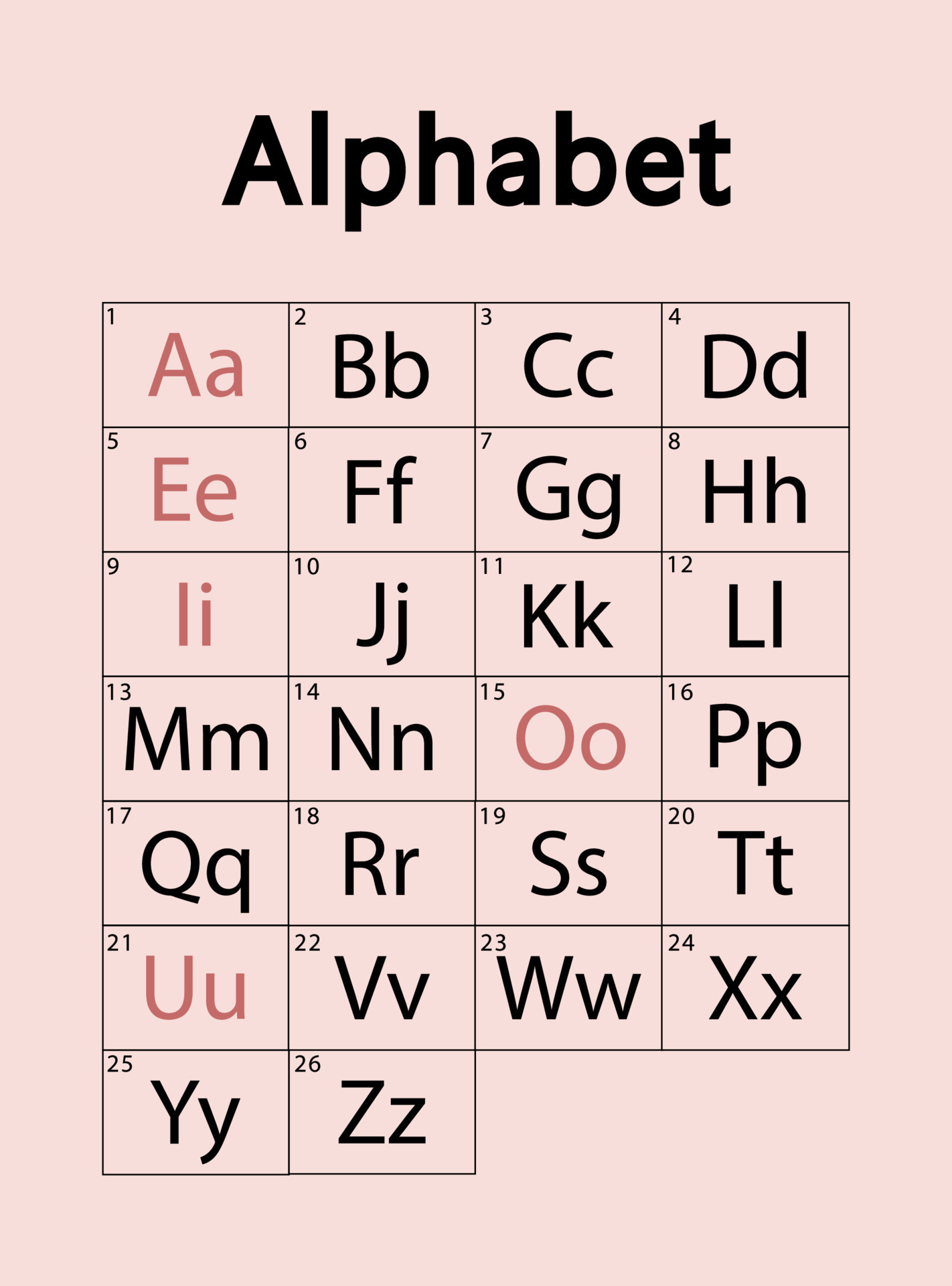
The journey of Y began around 1800 BCE on the Sinai Peninsula. Semitic workers adapted Egyptian hieroglyphs into Proto-Sinaitic script, crafting an ancestor character named waw, which represented a mace or tent peg. In the early Phoenician alphabet, waw occupied the sixth slot, carrying a phonetic value close to [w].
When Greek traders adopted the Phoenician consonant system around 800 BCE, they repurposed several characters to represent vowels. Waw underwent a split. The Greeks kept one version in the sixth slot as digamma (which later became the Roman F) and spun off a second variant called Greek upsilon (Υ, υ), placing it after the letter tau at the end of their existing alphabet. This split produced five modern letters: F, U, V, W, and Y. Each letter split off at different points along the Mediterranean trade routes.
Sarah Jenkins is a veteran tech journalist with over 12 years of experience covering artificial intelligence, mobile innovations, and digital ethics. Her insights have appeared in leading technology publications worldwide.
