The Evolution of Real-Life Mermaids: from Florida Springs to Viral Television
 By David Miller
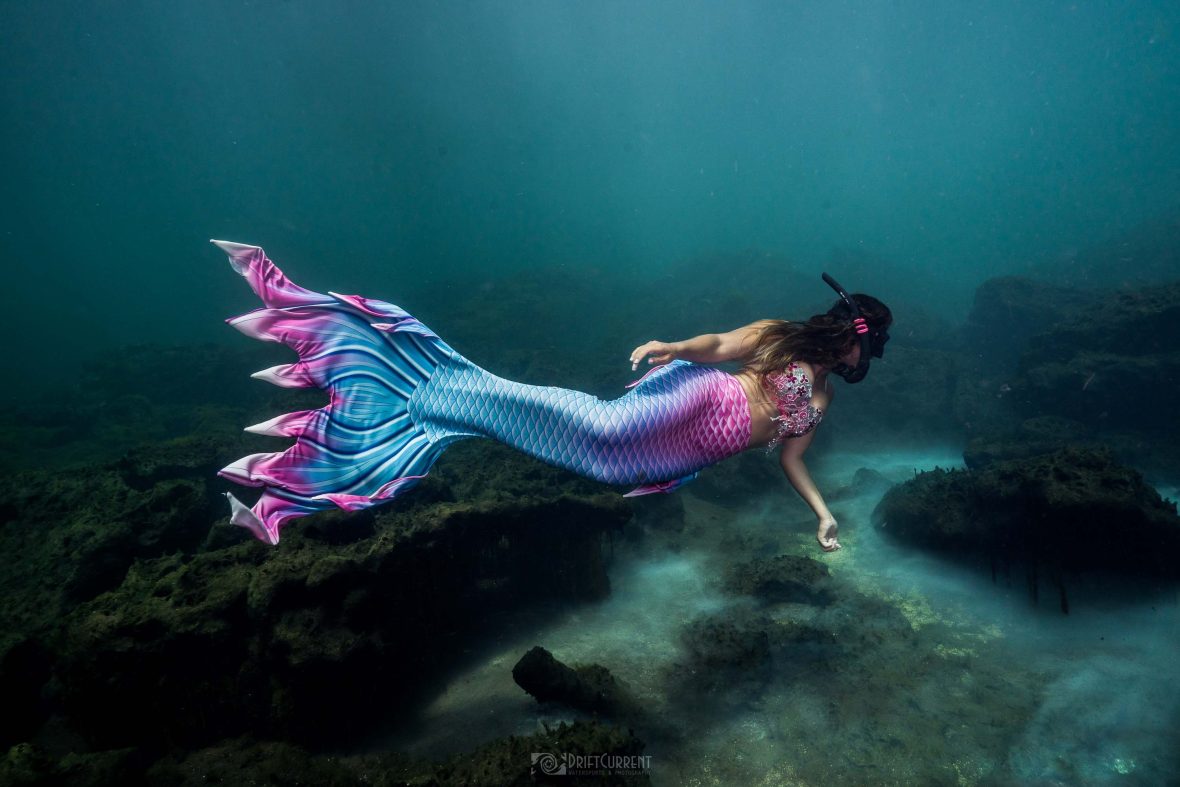
The commercial foundation of professional mermaiding traces directly to Newton Perry, a former U.S. Navy swim trainer who scouted a freshwater sinkhole along Florida’s Gulf Coast in 1947. Perry invented a free-flowing air hose system fed by an industrial compressor, bypassing heavy scuba tanks. He trained local swimmers to breathe underwater without masks, suppress their blink reflexes, and swallow air to control buoyancy.
The performance demanded raw physical stamina. Weeki Wachee pumps over 170 million gallons of fresh water daily at a constant temperature of 74 degrees Fahrenheit. Swimmers fought an outflow current that could sweep an unanchored performer downstream in seconds. By the late 1950s, American Broadcasting Company (ABC) bought the attraction, building a 400-seat submerged theater into the limestone bedrock. Performers staged synchronized ballets, drank soda bottles underwater, and executed backflips beneath the surface, establishing the template for commercial subaquatic entertainment that theme parks worldwide still copy today.
David Miller brings 15 years of experience in global economics, personal finance strategy, and market dynamics. He specializes in turning complex economic trends into actionable insights for everyday readers.
