The Evolution of Mental Readiness: Tracking the Rise of Institutional Cognitive Training
 By Sarah Jenkins
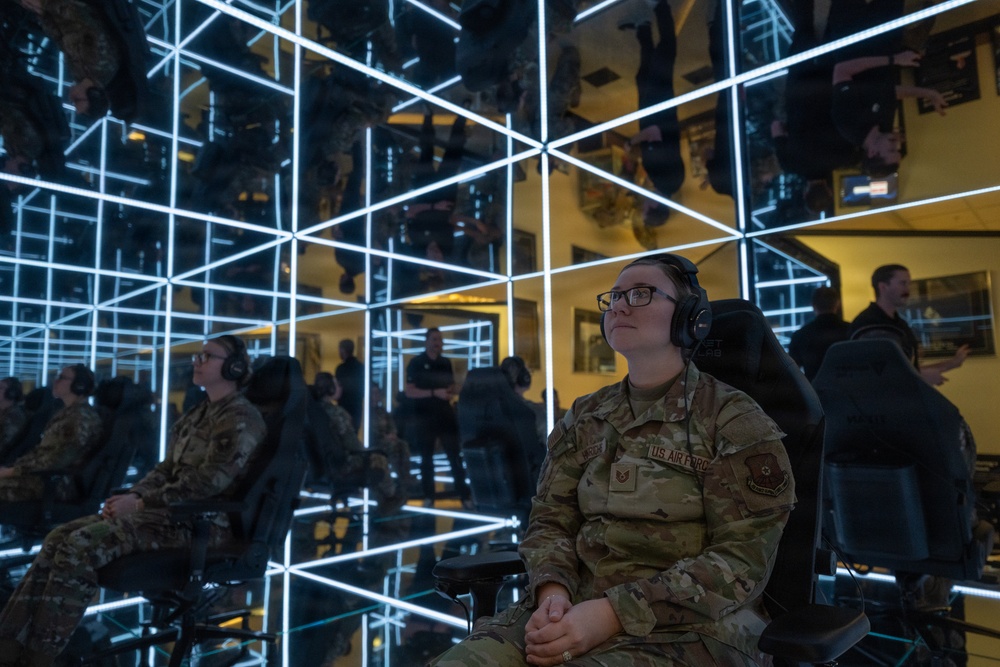
Despite official endorsements and backing from command leadership, rolling out institutional brain training across combat wings is not without friction. Traditional military subcultures retain deep skepticism toward programs that resemble corporate human resources seminars or civilian coaching fads.
On military discussion forums and inside base squadron lounges, service members frequently raise concerns about utility. Operators question whether 45-minute interactive workshops can prepare a crew for an electromagnetic-pulse scenario or a severed communication link during combat operations. Some mid-career non-commissioned officers view cognitive conditioning platforms as bureaucratic distractions that divert time from hands-on maintenance, weapon systems handling, and live flight hours.
There is also the unresolved challenge of metric tracking. While bench press maximums and physical fitness scores are easily verified, measuring neuroperformance optimization remains tricky. If a command cannot easily track whether an operator's executive processing improved by 12% or 18%, long-term budgetary survival for these programs becomes vulnerable during defense audit reviews. Commands are countering this resistance by tying cognitive performance data directly to synthetic training outcomes, demonstrating that crews who undergo mental resilience drills make fewer unforced errors during contested flight simulations.
Sarah Jenkins is a veteran tech journalist with over 12 years of experience covering artificial intelligence, mobile innovations, and digital ethics. Her insights have appeared in leading technology publications worldwide.
