The Complete Mini Dachshund Aging Timeline: Critical Care Shifts from Puppy to Senior
 By Robert Thorne
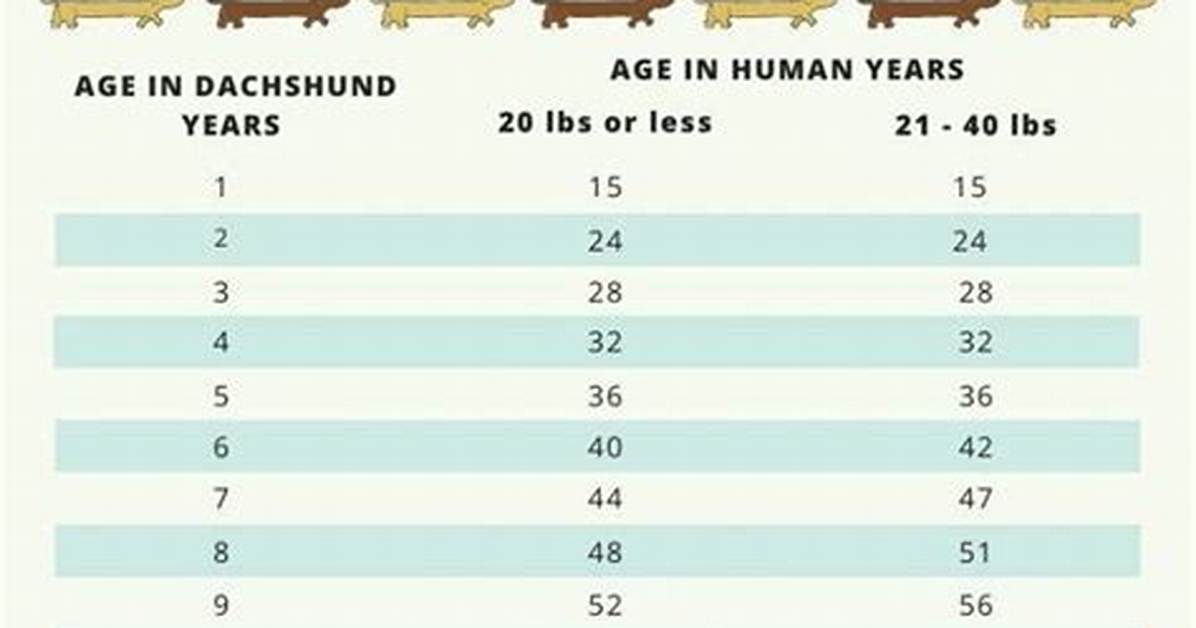
Intervertebral disc disease (IVDD) accounts for more emergency veterinary hospitalizations in dachshunds than any other diagnosis. Clinical studies consistently indicate that between 19% and 25% of dachshunds suffer a disc herniation or extrusion during their lifetime. Hansen Type I disc herniation, characterized by acute, explosive extrusion of calcified nuclear material into the spinal canal, frequently occurs between ages 3 and 7.
Environmental precautions make a real difference in clinical outcomes. Allowing a mini dachshund to jump from a bed, couch, or car puts massive shear stress on the T10, L2 vertebrae. Ramps with non-slip, high-traction rubber grooves or ridged carpet are practical tools to preserve disc integrity over time.
Ramp training needs to start in puppyhood, before bad habits take root. Use consistent high-value positive reinforcement, blocking alternate jump routes with physical barriers.
Owners should also handle dogs using a two-handed support technique: one hand cupping the chest beneath the front legs, the other supporting the hindquarters. Never pick up a dachshund by the armpits or allow the rear legs to dangle freely. For daily walks, swap collars for a padded, ergonomic chest harness to remove concussive stress from the cervical spine.
Robert Thorne covers electric vehicle innovations, autonomous driving systems, global mobility trends, and automotive engineering developments.
