The Complete Definition of Hype: Origins, Modern Meanings, and Everyday Examples
 By David Miller
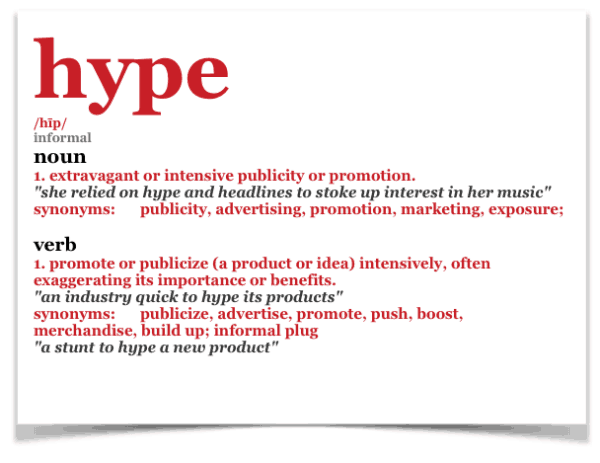
Q1: What is the primary difference between genuine hype and marketing buzz?
A1: Marketing buzz is an umbrella term for focused public interest, word-of-mouth momentum, and visibility around a product or event. Hype, by contrast, carries an inherent degree of exaggeration, distortion, and unearned inflation that exceeds the underlying reality.
Q2: How does the Gartner Hype Cycle explain this phenomenon?
A2: Formulated in 1995, the model maps the lifecycle of new technologies across five phases: Innovation Trigger, Peak of Inflated Expectations, Trough of Disillusionment, Slope of Enlightenment, and Plateau of Productivity. It illustrates how early human overexcitement consistently outpaces actual technological capability.
Q3: Can hype ever produce a positive outcome for a business?
A3: It can provide initial velocity. Early buzz lowers customer acquisition costs, attracts top-tier engineering talent, and secures venture funding during the formative stages. However, if product delivery fails to match the promised narrative within twelve to eighteen months, that same promotional noise turns toxic, ruining customer trust.
David Miller brings 15 years of experience in global economics, personal finance strategy, and market dynamics. He specializes in turning complex economic trends into actionable insights for everyday readers.
