The Best Egg Types for Cooking: from Poached Brunches to Gourmet Burgers
 By Chloe Bennett
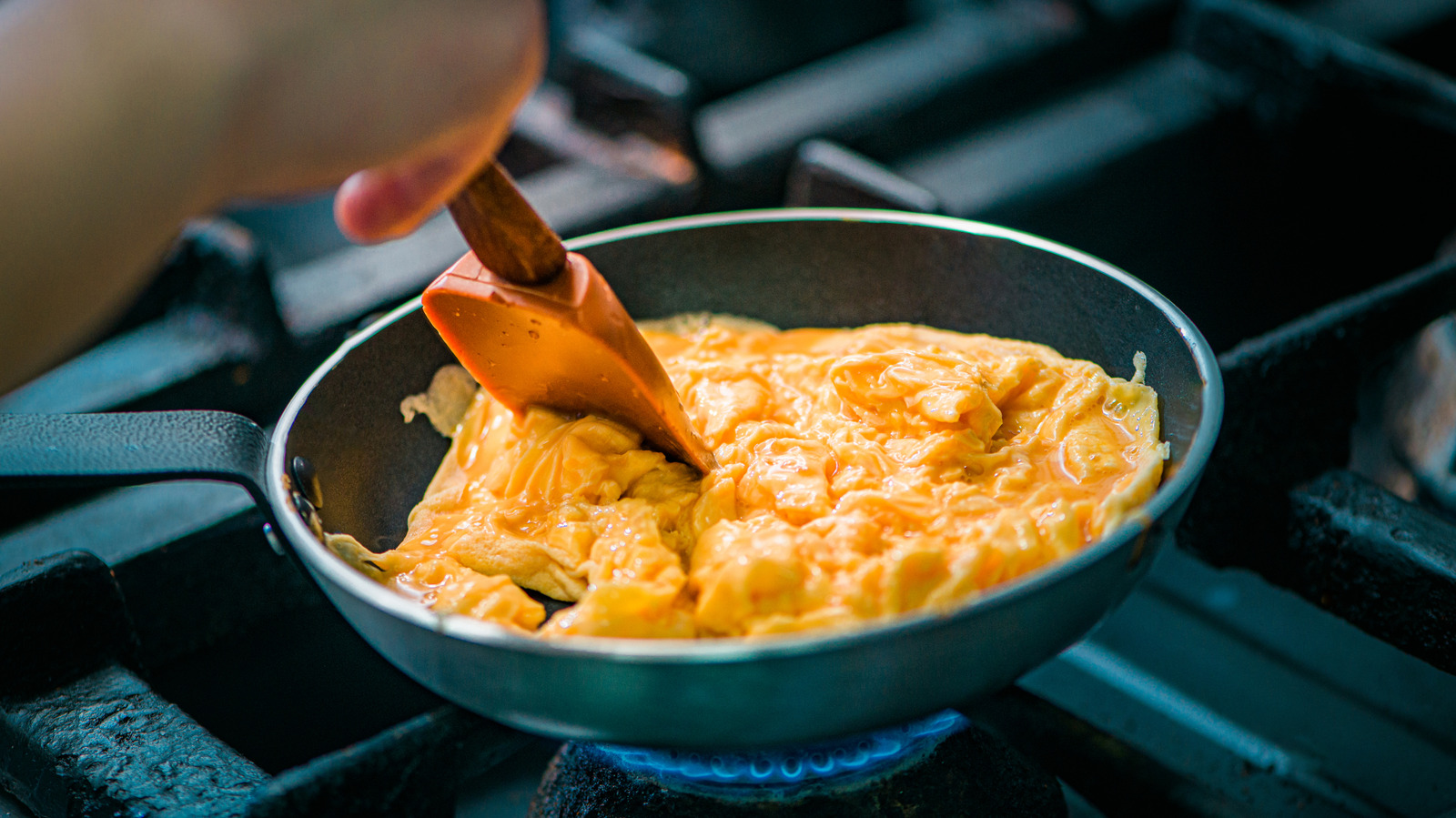
Expanding beyond the standard chicken egg opens radical possibilities in texture and presentation. Duck eggs weigh roughly 70 to 80 grams, carrying a yolk-to-white ratio noticeably higher than that of chicken eggs. Duck yolk contains higher concentrations of fat, while the albumen carries less water and higher albumin protein. In pastry work, duck eggs produce loftier sponge cakes and richer brioche, holding gas bubbles securely during oven spring. In savory preparations, a poached duck egg delivers an ultra-creamy yolk that coats handmade pastas or charred asparagus like a prepared emulsion.
Quail eggs offer precise portioning and striking aesthetic appeal. Weighing just 9 to 12 grams, their shells feature distinctive brown speckling over a dense inner membrane. In fine dining and cocktail service, raw or soft-poached quail eggs crown beef tartare, slider-sized burgers, and sushi rolls. Their miniature scale provides an entire yolk burst in a single bite without overwhelming the base protein.
Handling specialty poultry eggs requires distinct heat management. Duck egg whites turn rubbery quickly if subjected to aggressive pan heat; low, gentle basting or sous-vide water baths are ideal. Quail eggs fry completely in less than 45 seconds, requiring precise heat control to crisp the lace edges while maintaining a liquid core.
Chloe Bennett explores the intersection of pop culture, streaming entertainment, digital trends, and contemporary lifestyle. Her weekly commentary reaches thousands of culture enthusiasts.
