The Backrooms Parody Phenomenon Explained: Answers to Every Viral Lore Question
 By Robert Thorne
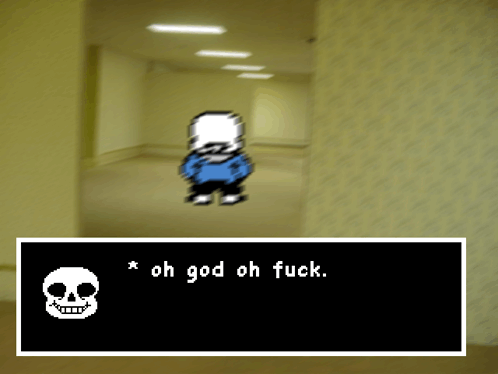
The aggressive vulgarity in these memes is an act of cultural pruning. Online horror genres follow predictable lifecycles: an eerie concept catches fire, creators establish a visual language, copycats standardize the tropes, and the community suffocates under its own canon. By the time every hallway on Level 0 had a catalog number, a survival rating, and a named beast, the mystery had vanished.
Slapping a visceral "Fuck you!" onto an entity dissolves that self-serious bureaucracy in an instant. It represents a deliberate creepypasta subversion that reclaims agency for the viewer. When internet media becomes saturated with jump scares and elaborate survival mechanics, the most relatable human reaction is no longer fear. It is profound exhaustion.
Audiences do not want another twenty-minute breakdown of level classifications. They want to see the mysterious shadowy figure get hit with an office chair. That transition from reverence to mockery does not mean the genre is dead; it simply marks its graduation into mainstream folklore, where myths survive by becoming the punchline.
Robert Thorne covers electric vehicle innovations, autonomous driving systems, global mobility trends, and automotive engineering developments.
