Texture Vs. Taste: a Sensory Breakdown of Exactly How Okra Water Drinks
 By David Miller
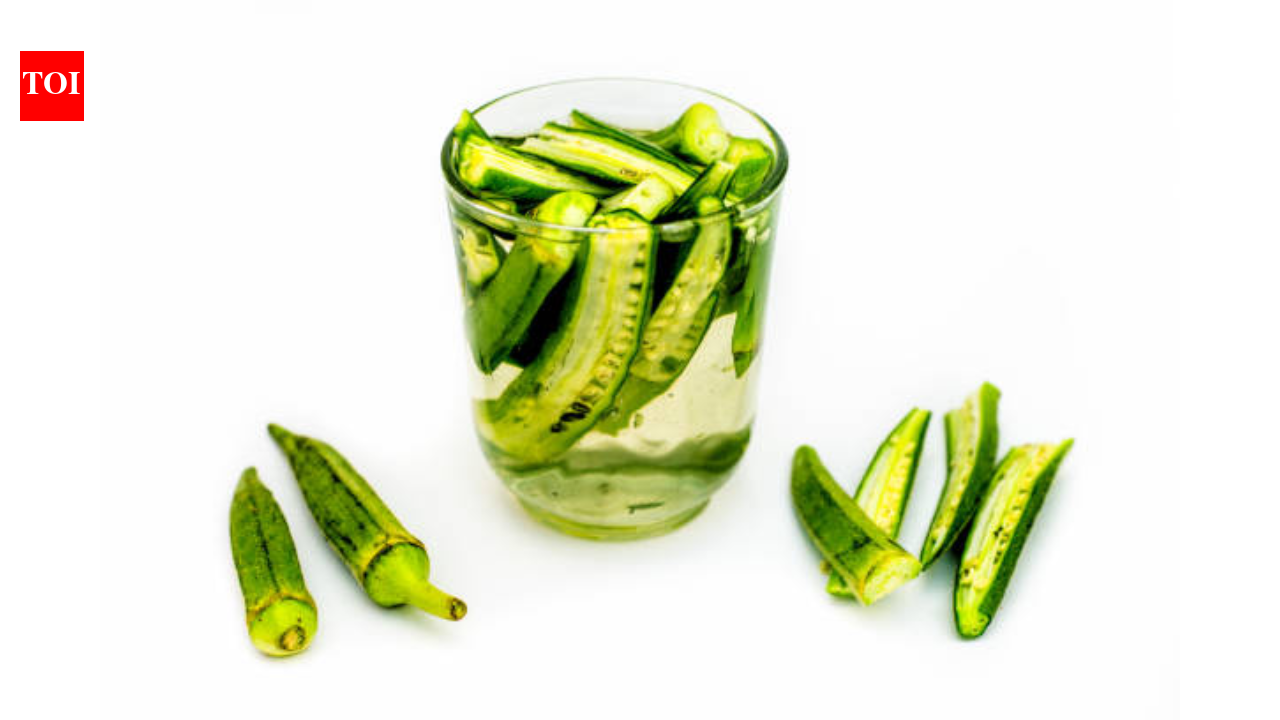
How you prepare the vegetable directly dictates whether you end up with a lightly flavored water or an undrinkable jelly. Mucilage resides inside the internal chambers surrounding the seeds. The degree of vegetable cellular damage determines how much gel leaches into your glass.
For beginners seeking minimal viscosity, use whole fresh okra pods. Wash 4 to 5 pods, cut off only the dry top stems without exposing the internal seed cavity, and puncture the side of each pod once with a fork. Submerge them in cold water for no longer than 6 to 8 hours in the refrigerator. The liquid extracts the water-soluble antioxidants and a light trace of fiber, keeping the liquid remarkably thin.
For maximum digestive coating and therapeutic soluble fiber extraction, thoroughly slice the pods into half-inch rounds. This directly exposes the internal seed chambers to the water. An overnight soak of 10 to 12 hours will create a heavy, ropey infusion. Straining the liquid through cheesecloth or a fine stainless steel mesh removes loose seeds and fragments, leaving a smooth, uniform tonic.
Always select small-to-medium pods roughly 2 to 4 inches long. Oversized okra pods become fibrous, woody, and release an astringent, bitter sap that ruins the natural earthy sweetness of a clean steep.
David Miller brings 15 years of experience in global economics, personal finance strategy, and market dynamics. He specializes in turning complex economic trends into actionable insights for everyday readers.
