Spotminders Vs. Apple Airtag: Testing Form Factor, Battery Life, and Stealth Claims
 By Sarah Jenkins
Because the Spotminders card runs on Apple's licensed "Works with Apple Find My" framework, pairing takes seconds. Open the Find My app on an iPhone running modern iOS, select "Add Other Item," depress the physical activation circle on the card face, and the peripheral pairs without requiring third-party companion software. In field testing, location updates flowed reliably through nearby Apple devices on city buses, crowded cafes, and sidewalks.
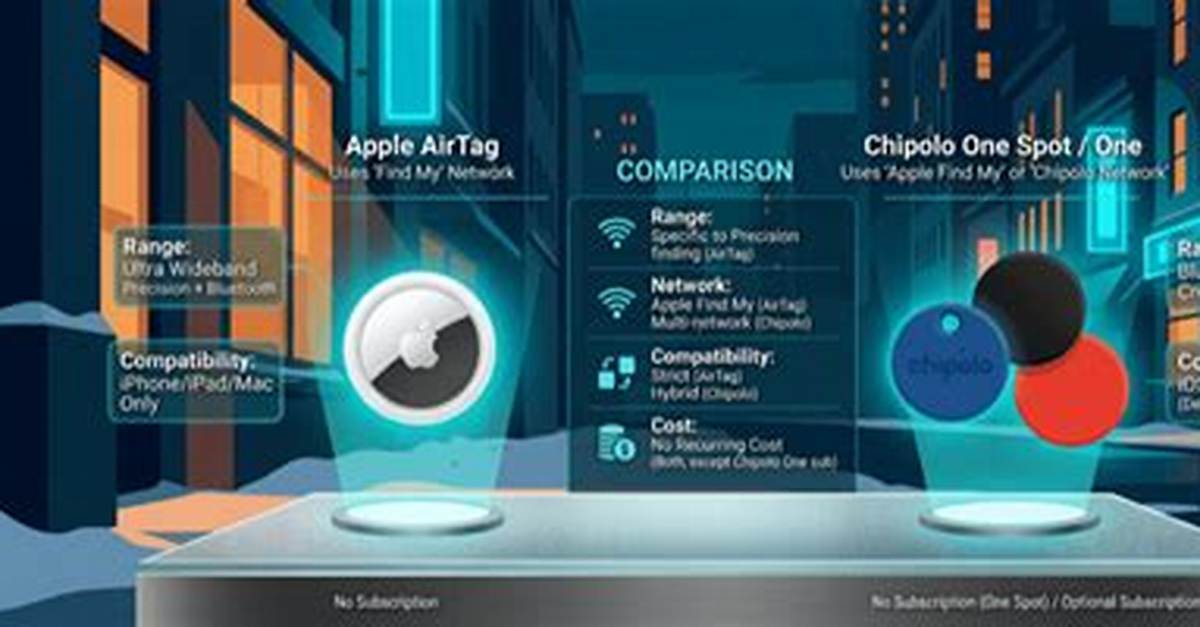
The real performance divide appears during close-range retrieval. Apple reserves its Ultra-Wideband (UWB) silicon exclusively for first-party hardware. An AirTag paired with an iPhone allows Precision Finding, directing you with a high-resolution directional arrow and distance readouts accurate down to single inches. Third-party devices are locked out of this frequency band.
With the Spotminders tracking card, short-range searching relies entirely on standard Bluetooth proximity and audio alerts. You get a general distance estimate, such as "With You" or "Nearby", alongside an option to trigger the onboard speaker. While adequate in quiet rooms, locating the card between sofa cushions depends heavily on listening for a 76-decibel chime rather than following an on-screen visual guide. The anti-loss smart alert trigger latency remained consistent with first-party hardware, pinging the host iPhone within three to five minutes of walking out of Bluetooth range.
Sarah Jenkins is a veteran tech journalist with over 12 years of experience covering artificial intelligence, mobile innovations, and digital ethics. Her insights have appeared in leading technology publications worldwide.
