Sneaker Reseller or Local Cafe? Untangling the Confusion over Deadstock Stores
 By Maya Lin-Takahashi
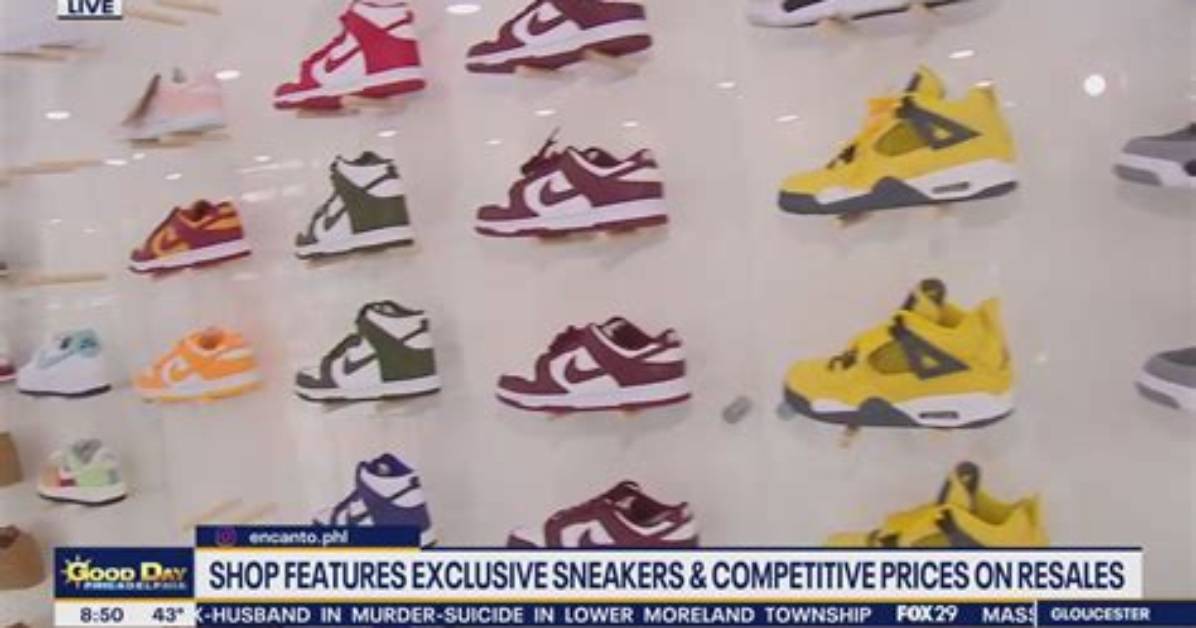
To understand the chaos of local search results, track how the word drifted away from inventory ledgers. Decades ago, merchants used "dead stock" as an accounting label for discontinued stock that failed to sell before product cycles rolled over. Traditional department stores offloaded these balance-sheet casualties through apparel liquidation pallets or regional jobbers who acquired surplus lots for cents on the dollar.
Independent vintage clothing resellers transformed that definition in the 1990s. Scouring decaying downtown shoe stores and defunct rural dry-goods merchants, early curators unearthed forgotten boxes of canvas vulcanized shoes and selvedge denim. These pieces were preserved in time: completely untouched, factory laced, and carrying original swing tags. When those troves surfaced on early internet auction platforms, collectors prized them precisely because they bypassed decades of wear.
The footwear secondary market codified the phrase into an ironclad standard. To deadstock shoe retailers and collector communities, the term ceased to mean "unsellable." It evolved into an absolute benchmark of condition. A product labeled deadstock, shortened universally to "DS", must be brand-new, factory-unlaced, completely unworn, and accompanied by pristine original boxes and accessory sets. One step onto a sidewalk reduces an authentic deadstock pair to "near deadstock" (NDS) or "very lightly worn" (VNDS), stripping hundreds of dollars from its market valuation.
Maya is a hardware enthusiast who tests and reviews smart home devices, smartphones, wearables, and audio gear. She focuses on practical consumer value and build quality.
