Retro Fever: How Nissan Heritage Sports Car Revivals Are Driving Pop-up Nostalgia
 By Robert Thorne
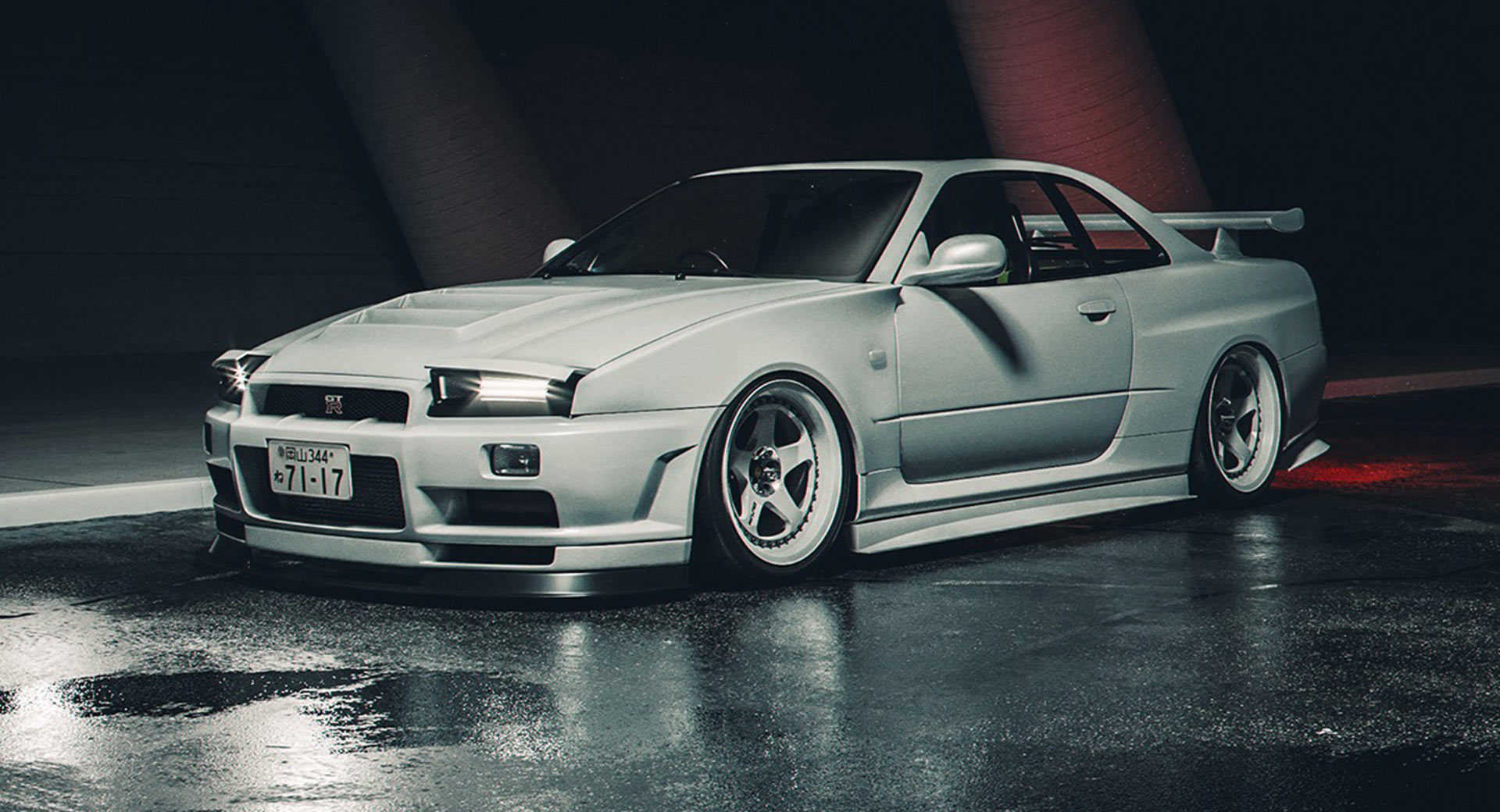
Every gearhead asks the same question: why did automakers stop building pop-up headlights? The shift was not driven by aesthetic fatigue. It was mandated by international safety regulators.
In the late 1990s, the European Union introduced aggressive frontal pedestrian impact protocols. Testing revealed that exposed, rigid metal pods acted as blunt strike hazards during lower-speed impacts with pedestrians. To pass certification, car noses required soft crumple zones, energy-absorbing bumper plastics, and low-profile headlight assemblies that could absorb kinetic energy without impaling a human body.
At the same time, lighting technology evolved. The development of high-output projector lamps and compact halogen systems allowed manufacturers to build low, aerodynamic front fascias without hiding the bulbs. Pop-up headlight motors, mechanical steel arms, and wiring harnesses added roughly 20 to 30 pounds directly over the front axle. When raised, the upright housings also caused significant aerodynamic drag, spoiling fuel economy figures during nighttime highway driving.
The Chevrolet Corvette C5 and Lotus Esprit V8 exited production in 2004, marking the official death of factory pop-ups on mainstream platforms. From that moment forward, retractables became locked in time.
Robert Thorne covers electric vehicle innovations, autonomous driving systems, global mobility trends, and automotive engineering developments.
