Real Wildlife Emergency or Digital Parody? the Truth Behind the Oiled Deer Rumor
 By Marcus Vance
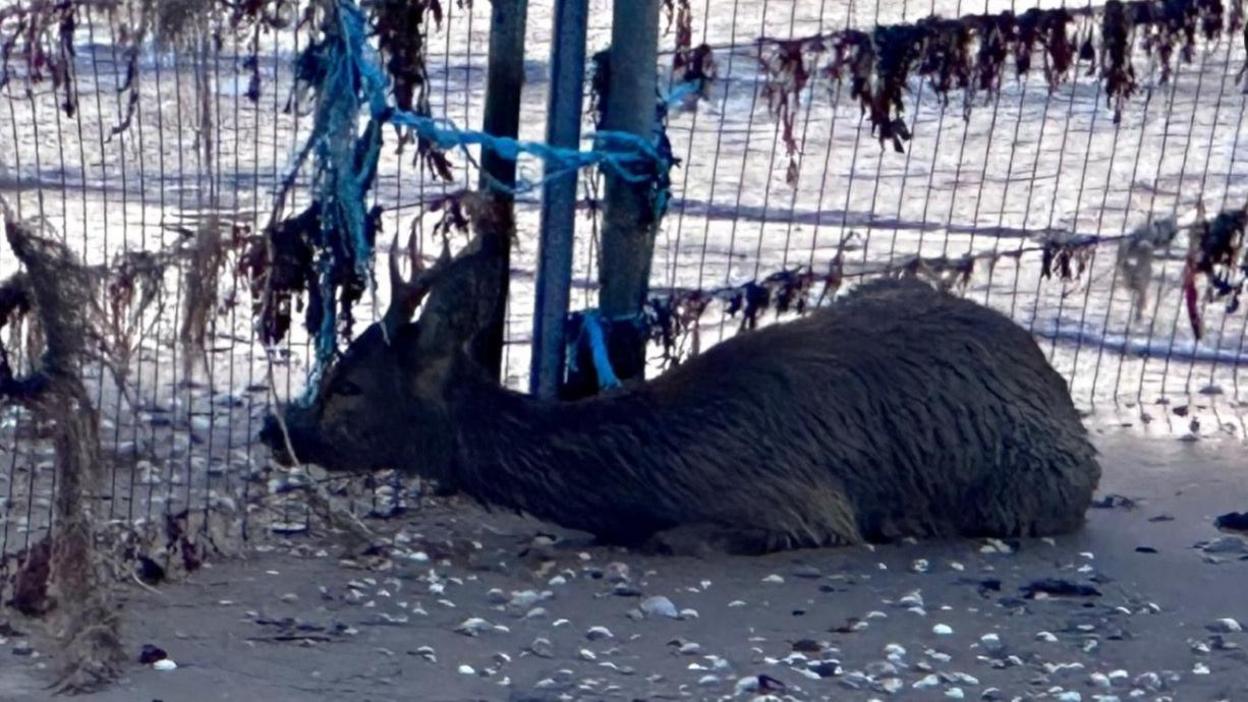
The real damage of the trend was structural rather than biological. Small wildlife rehabilitation organizations operate on thin margins, relying on skeleton crews and private donations. Between late 2024 and early 2025, several rescue centers in the Midwest and Pacific Northwest reported a measurable increase in hoax triage calls.
Staff members spent hours chasing coordinates for synthetic clips or reassuring callers that a rain-drenched buck caught on a Ring doorbell was not suffering from toxic chemical dumping. In Oregon, one facility diverted field volunteers from an active raptor rescue to investigate a supposed "petroleum-slicked doe" reported through an anonymous web tip, only to discover the reporting party had shared an automated screengrab from a Discord meme thread.
These disruptions underline the growing cost of synthetic wildlife content. Algorithms are built to reward high sensory contrast and shock value. In that ecosystem, fabricated animal suffering reliably out-clicks real ecological reporting, pulling rescue resources away from legitimate, physical emergencies.
Marcus Vance is a cybersecurity auditor and technology writer dedicated to educating the public about online safety, data privacy regulations, enterprise security, and emerging cyber threats.
