Perlas De Éter Uncovered: Archival Evidence and Medical Realities Behind the Trend
 By James H. Sterling
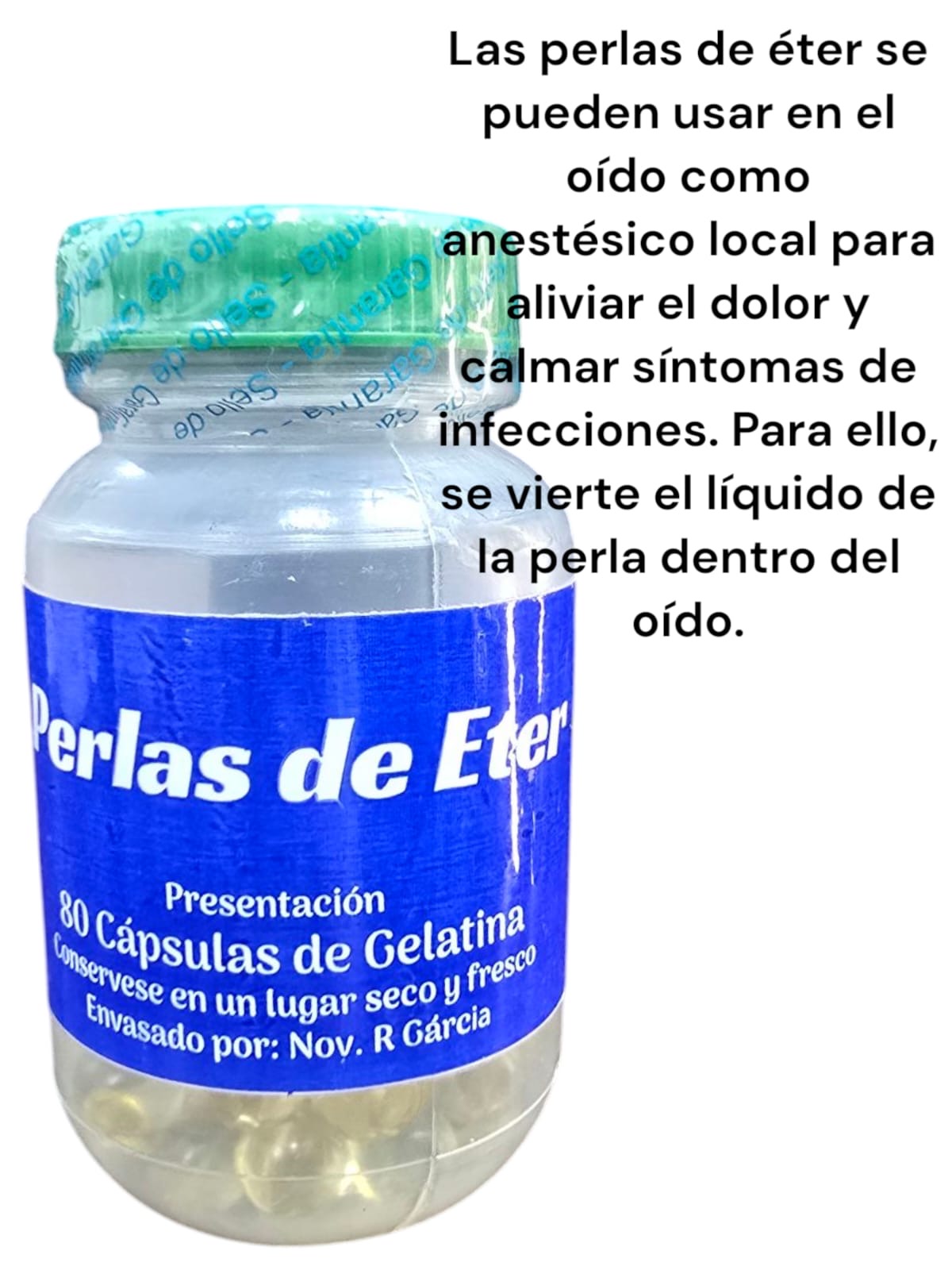
The commercial life of perlas de éter finally ran out as health agencies modernized safety statutes. Mexico's Federal Commission for the Protection against Sanitary Risks (COFEPRIS) systematically tightened controls over volatile solvents, stripping over-the-counter authorization from consumer ether formulations. In the United States, the Food and Drug Administration (FDA) classifies unauthorized imports of diethyl ether capsules as unapproved, misbranded drugs, seizing illicit shipments crossing commercial borders.
Despite regulatory actions, the market did not vanish overnight. Demand simply moved into the shadows. Unlicensed yerberías, border botanicas, and unregulated internet storefronts still traffic in gray-market bottles sourced from underground compounding outfits. On digital platforms like TikTok and Instagram, nostalgic videos showing users exploring vintage Mexican apothecary kits frequently spark revived curiosity among younger consumers, misrepresenting a volatile hospital solvent as a quaint, retro anxiety hack.
Law enforcement agencies and chemical diversion boards monitor diethyl ether tightly because it serves as an essential precursor chemical in the illicit synthesis of cocaine hydrochloride. A product once sold for pennies in neighborhood drugstores now faces dual scrutiny as both an obsolete medical hazard and a restricted chemical precursor.
James Sterling reports on renewable energy developments, climate policy, ecological conservation, and green tech innovations around the globe.
