Periodic Table Layout Decoded: Visual Proof of How Groups and Periods Work
 By Elena Rostova
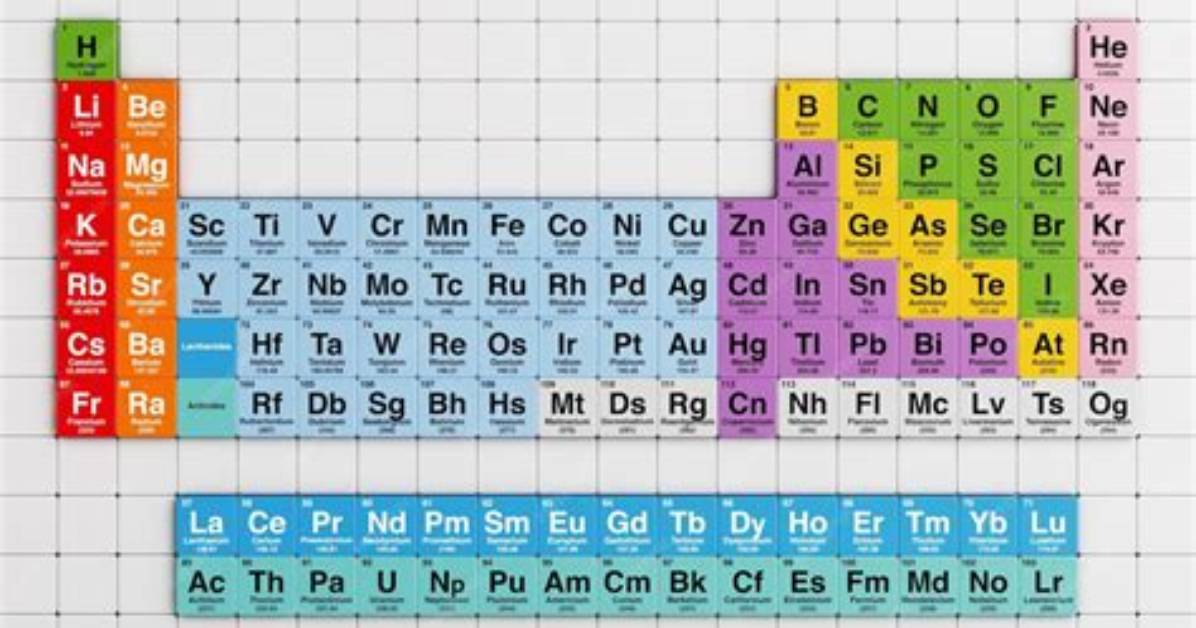
While horizontal rows account for physical size and shell count, vertical groups govern an element's personality. The primary determinant of chemical reactivity is the number of valence electrons, the electrons residing in the atom's outermost shell. Because chemistry is fundamentally an exchange or sharing of these perimeter particles, elements with the same outer configuration react in near-identical ways.
Group 1 showcases this principle in its most dramatic form. Known as the alkali metals, this family includes lithium, sodium, potassium, rubidium, cesium, and francium. Every single one holds exactly one valence electron. Because shedding that lone electron leaves behind a completely filled, energetically stable inner shell, alkali metals react aggressively with water and air to give that electron away. Drop a small piece of lithium into water, and it fizzes vigorously. Drop potassium into water, and the liberated hydrogen catches fire almost instantly. The reaction mechanism is identical; only the speed and violent intensity escalate down the column.
At the exact opposite boundary sits Group 18: the noble gases. Consisting of helium, neon, argon, krypton, xenon, and radon, these elements possess completely saturated valence shells. Because their electron configurations are already maximally stable, they have no energetic incentive to gain, lose, or share electrons. Neon signs glow continuously without degrading because the gas trapped inside will not react with its glass enclosure or electrical terminals under ordinary circumstances. Between these two bookends lie the halogens (Group 17), which are missing a single electron and react voraciously with the alkali metals to form common salts.
Elena Rostova holds a Master's degree in Public Health Journalism. She covers groundbreaking medical research, holistic wellness trends, mental health awareness, and nutritional science.
